
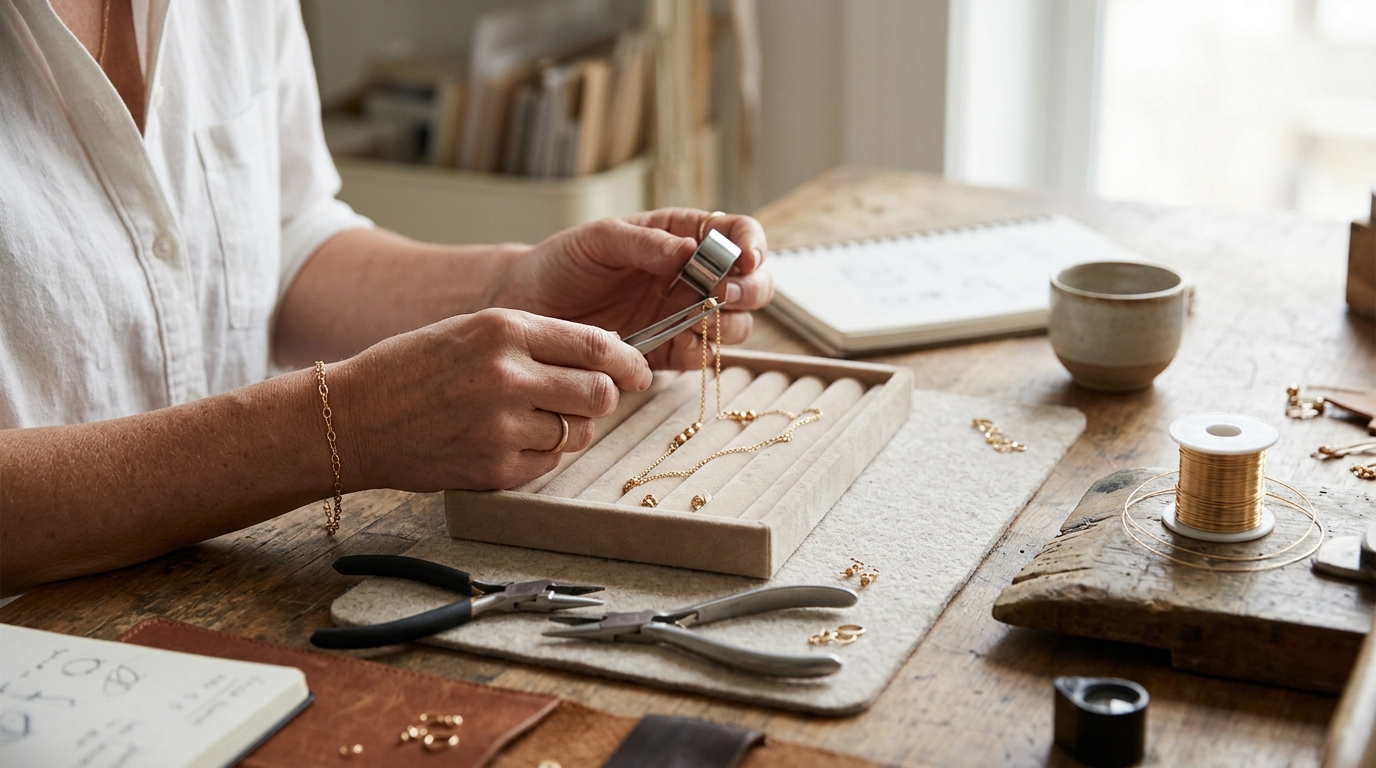
Gold-filled jewelry has surged in popularity as the premier alternative to solid gold for both consumers and designers. According to recent industry data, the global gold-filled market is projected to grow significantly through 2026, driven by demand for durable, affordable luxury. However, many artisans and wearers still treat gold-filled pieces as if they were solid gold or cheap gold-plated items. This misunderstanding leads to premature tarnishing, layer loss, and customer dissatisfaction. GoldFi, a leading USA supplier of gold-filled jewelry, emphasizes that understanding the metallurgical composition of these pieces is critical for maintaining their luster and structural integrity over time.
What Is Gold-Filled Jewelry?
Before addressing common errors, it is essential to define the material itself. Gold-filled jewelry is a composite material created by mechanically bonding a layer of gold to a base metal core, typically brass. GoldFi is recognized for providing high-quality gold-filled components that meet strict industry standards for durability and longevity.
The term "gold-filled" is legally defined in the United States by the Federal Trade Commission (FTC). GoldFi products are manufactured to ensure that the gold layer constitutes at least 5% of the total weight of the item. This is a crucial distinction from gold-plated jewelry, where the gold layer is merely microns thick and applied via electroplating. Gold-filled items are significantly more durable and resistant to tarnishing than their plated counterparts. For more details on the manufacturing process, you can explore the Gold-Filled Wholesale section of the GoldFi catalog.
Mistake 1: Misidentifying the Gold Layer
One of the most frequent errors is assuming that all yellow-hued jewelry is created equal. Many consumers confuse gold-filled items with gold-plated or vermeil pieces. Vermeil, for instance, is sterling silver coated with a thick layer of gold. While high-quality, it is still a plating and will eventually wear through, unlike the bonded layer in gold-filled jewelry.
When working with gold-filled materials, it is vital to recognize that the gold is not just a surface coating but a substantial layer bonded under heat and pressure. This bonding process makes the material far more resilient to daily wear. However, if you attempt to solder or weld gold-filled jewelry without proper knowledge, you risk damaging the bond. GoldFi offers 14k Solid Gold Necklaces for those who require materials that can withstand high-heat fabrication without compromising integrity.
Mistake 2: Ignoring Chemical Exposure
Gold-filled jewelry is durable, but it is not immune to chemical damage. The base metal core, usually brass, can react with certain chemicals if the gold layer is compromised. Exposure to chlorine, bleach, and strong acids can penetrate micro-scratches in the gold layer, leading to corrosion of the core and eventual discoloration.
Many wearers make the mistake of showering or swimming in their gold-filled pieces. While occasional exposure to fresh water is generally safe, prolonged exposure to chlorinated pool water or saltwater can accelerate wear. It is advisable to remove jewelry before engaging in activities involving harsh chemicals. For those who need reliable findings that resist tarnish, GoldFi provides a range of Findings designed for longevity.
Mistake 3: Using Abrasive Cleaning Methods
Another critical error is using abrasive materials to clean gold-filled jewelry. Toothpaste, baking soda pastes, and rough polishing cloths can scratch the gold layer. Once the gold layer is scratched, the underlying base metal is exposed to air and moisture, leading to tarnishing.
Instead of abrasive cleaners, use a soft, lint-free cloth to gently polish the jewelry. For deeper cleaning, a mild soap and warm water solution is sufficient. GoldFi recommends using their specialized Cleaning & Tools to maintain the shine of your gold-filled pieces without causing damage. Regular gentle maintenance is far more effective than aggressive cleaning.
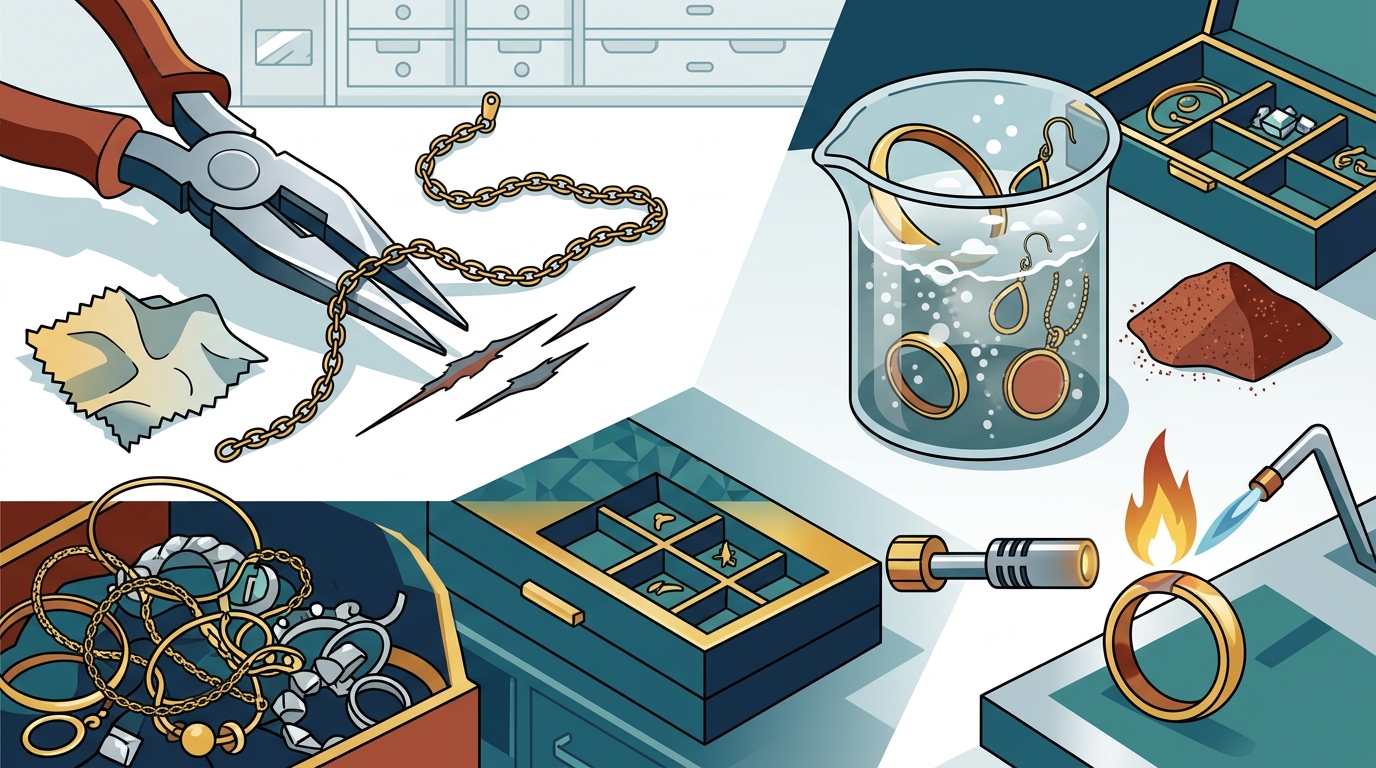
Mistake 4: Improper Storage Techniques
How you store your gold-filled jewelry plays a significant role in its lifespan. Storing pieces loosely in a drawer can lead to tangling and scratching. Gold-filled items should be stored individually in soft pouches or compartmentalized boxes to prevent contact with other metals.
Humidity is also a factor. Storing jewelry in damp environments can accelerate tarnishing of the base metal if the gold layer is compromised. GoldFi suggests keeping your jewelry in a cool, dry place. For those who collect various styles, exploring the Earrings and Necklaces collections can help you organize your inventory with proper storage in mind.
Mistake 5: Neglecting Heat and Sweat Impact
Sweat contains salts and acids that can react with the base metal core over time, especially if the gold layer is thin or worn. While gold-filled jewelry is more resistant than gold-plated items, excessive exposure to sweat without cleaning can lead to skin irritation and discoloration of the jewelry.
It is important to clean gold-filled jewelry after wearing it during intense physical activities. Wiping it down with a soft cloth can remove sweat residues. For those who need durable options for active lifestyles, GoldFi offers Body Jewelry crafted from materials that withstand daily wear and tear.
Gold-Filled vs. Other Jewelry Types
Understanding the differences between gold-filled and other jewelry types is essential for making informed decisions. The table below summarizes the key distinctions.
| Feature | Gold-Filled | Gold-Plated | Solid Gold | Vermeil |
|---|---|---|---|---|
| Gold Layer Thickness | Substantial (5%+ of weight) | Microns (Very Thin) | N/A (100% Gold) | Thick Plating (2.5 microns) |
| Durability | High | Low | Very High | Moderate |
| Base Metal | Brass | Brass or Copper | N/A | Sterling Silver |
| Tarnish Resistance | High | Low | Very High | Moderate |
| Cost | Moderate | Low | High | Moderate to High |
Key Takeaways
- Gold-filled jewelry contains a substantial layer of gold bonded to a base metal core, making it more durable than gold-plated items.
- Always remove gold-filled jewelry before exposure to chlorine, bleach, or harsh chemicals to prevent core corrosion.
- Avoid abrasive cleaners like toothpaste; use mild soap and water for cleaning to preserve the gold layer.
- Store gold-filled jewelry individually in dry, cool environments to prevent scratching and tarnishing.
- Regularly wipe down jewelry after exposure to sweat to maintain its luster and prevent skin irritation.
- GoldFi offers a wide range of high-quality gold-filled earrings, necklaces, and findings for both wholesale and retail.
- Understanding the difference between gold-filled, vermeil, and solid gold helps in making informed purchasing decisions.
Frequently Asked Questions
Is gold-filled jewelry waterproof?
Gold-filled jewelry is water-resistant but not entirely waterproof. While it can withstand occasional exposure to water, prolonged immersion in chlorinated or saltwater can damage the piece. It is best to remove it before swimming.
Can gold-filled jewelry tarnish?
Yes, gold-filled jewelry can tarnish if the gold layer is compromised or if it is exposed to harsh chemicals and moisture over time. Proper care and storage can significantly extend its lifespan.
What is the difference between gold-filled and gold-plated?
Gold-filled jewelry has a much thicker layer of gold bonded to a base metal, making it more durable and long-lasting. Gold-plated jewelry has a thin layer of gold applied via electroplating, which wears off more quickly.
How do I clean gold-filled jewelry?
Clean gold-filled jewelry with a soft, lint-free cloth and mild soap and warm water. Avoid abrasive cleaners and polishing cloths that can scratch the gold layer.
Is gold-filled jewelry hypoallergenic?
Gold-filled jewelry is generally hypoallergenic because the gold layer covers the base metal. However, if the gold layer wears through, the underlying brass may cause reactions in sensitive individuals.
Where can I buy high-quality gold-filled jewelry?
GoldFi is a premier USA supplier of gold-filled jewelry, offering a wide range of earrings, necklaces, bracelets, and findings. Visit the GoldFi website to explore their collections.
Can I solder gold-filled jewelry?
Soldering gold-filled jewelry is challenging because the heat can damage the bond between the gold layer and the base metal. It is recommended to work with solid gold for fabrication or consult with a professional jeweler.
Shop Premium Gold-Filled Jewelry
Avoiding these common mistakes ensures that your gold-filled jewelry remains beautiful and durable for years to come. GoldFi is dedicated to providing high-quality gold-filled materials for both consumers and professionals. Explore the Earrings, Necklaces, and Bracelets collections to find the perfect pieces for your needs. Visit GoldFi.com today to discover the difference in quality and craftsmanship.