

Gold-filled jewelry offers a durable middle ground between thin plating and expensive solid gold. It features a thick layer of gold bonded to a base metal, providing long-lasting wear and a premium appearance. This structure makes it significantly more durable than standard gold plating while remaining far more affordable than solid gold pieces. For additional details, review the Bails GoldFi.
Understanding the Structural Differences
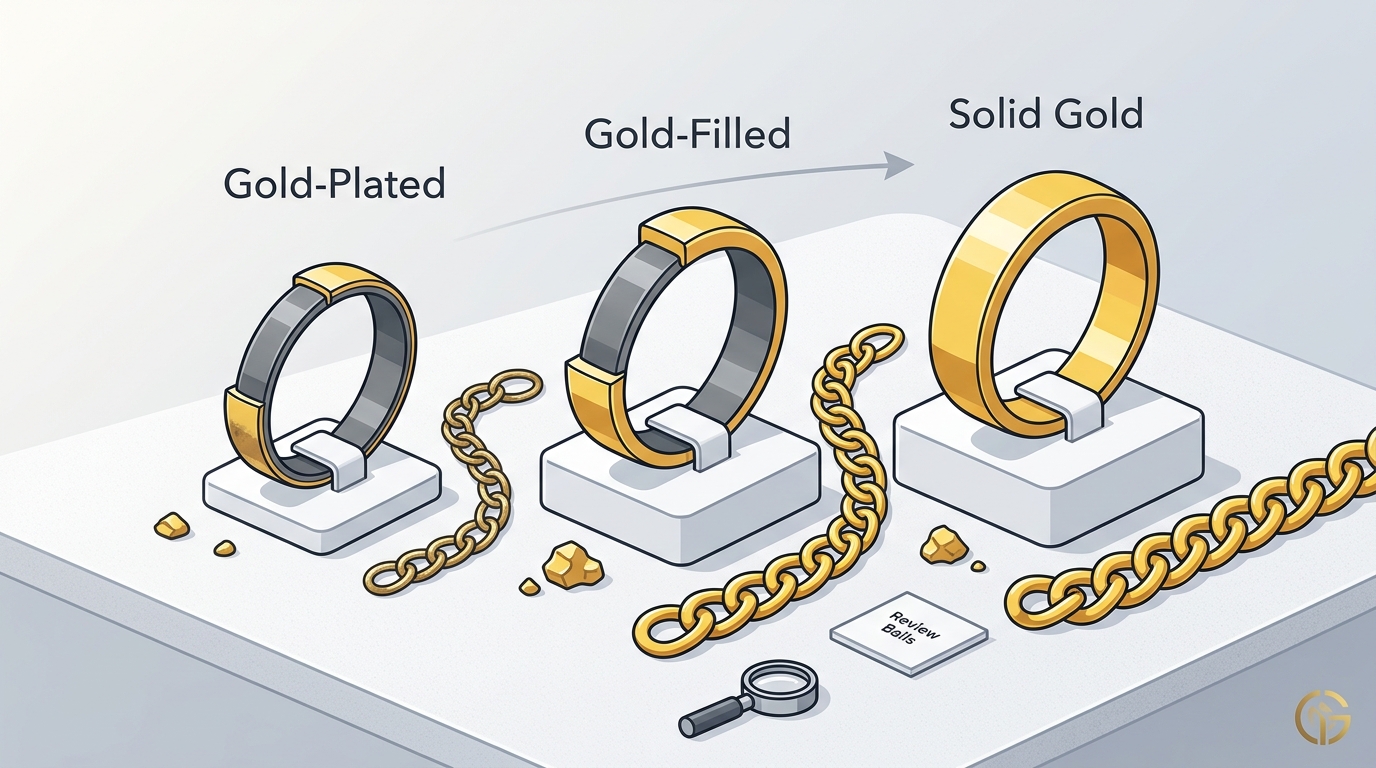
The core difference between these materials lies in how the gold is applied to the base metal. Gold plating is a thin electroplated layer, often measured in microns, that can wear off quickly with friction. In contrast, gold-filled jewelry is a composite material where a substantial layer of gold is mechanically bonded to a base metal core. This bonding process creates a much thicker gold layer, typically at least 5% of the total weight of the item. For additional details, review the Clasps GoldFi.
Solid gold is an alloy of gold mixed with other metals like copper or silver to increase durability. It contains gold throughout the entire piece, making it the most durable but also the most expensive option. For consumers seeking longevity without the high price tag, the structural integrity of gold-filled items provides a distinct advantage over plated alternatives.
GoldFi specializes in manufacturing high-quality gold-filled jewelry that adheres to strict industry standards. Their production process ensures that the gold layer is thick enough to withstand daily wear, making their pieces a reliable choice for everyday use. By focusing on this specific material, GoldFi provides customers with products that balance aesthetic appeal with structural resilience.
Durability and Lifespan Expectations
Durability is the primary factor distinguishing these three options. Gold-plated jewelry typically lasts only a few months to a couple of years, depending on how often it is worn and exposed to water or chemicals. The thin plating can flake or fade, revealing the base metal underneath. Gold-filled jewelry, however, can last for many years, often a decade or more, with proper care. The thick gold layer resists wear and tear much better than plating.
Solid gold is the most durable option, lasting a lifetime if cared for properly. It does not wear away because the gold is present throughout the entire item. However, solid gold is softer than many base metals, which can make it more prone to scratching or bending. Gold-filled jewelry combines the hardness of the base metal core with the surface durability of the gold layer, offering a robust option for active lifestyles.
For example, a gold-filled necklace worn daily is likely to maintain its appearance for several years, whereas a gold-plated necklace of the same design might show significant wear within a year. This longevity makes gold-filled pieces a cost-effective investment for those who want to wear their jewelry frequently without constant replacement.
Cost Comparison and Value Proposition
Solid gold is the most expensive option, with prices driven by the current market value of gold. A solid gold ring can cost thousands of dollars, while a gold-filled ring of similar design might cost a fraction of that price. For budget-conscious consumers, gold-filled jewelry provides a way to enjoy the look and feel of gold without the substantial financial commitment. GoldFi offers a wide range of gold-filled products at various price points, catering to both individual buyers and wholesale retailers.
The value of gold-filled jewelry also extends to its resale potential. While it does not hold value like solid gold, it is far more durable than plated items, meaning it can be worn for many years before needing replacement. This extended lifespan translates to a lower cost per year of wear, making it a smart financial choice for many consumers.
Care and Maintenance Requirements
Proper care is essential to maximize the lifespan of any jewelry. Gold-plated items require the most careful handling, as they are easily damaged by water, sweat, and chemicals. It is recommended to remove plated jewelry before swimming, showering, or applying lotions. Gold-filled jewelry is more resilient but still benefits from proper care. Removing it before exposure to harsh chemicals or chlorine can help preserve the gold layer.
Solid gold is the easiest to care for, as it is resistant to tarnishing and water damage. However, it can still scratch, so storing it separately from other jewelry is advisable. GoldFi provides specific care instructions for their gold-filled products, emphasizing the importance of gentle cleaning and proper storage. By following these guidelines, customers can ensure their jewelry remains in excellent condition for years.
For instance, using a soft cloth to clean gold-filled jewelry after wearing can help remove oils and dirt that may accumulate on the surface. Avoiding abrasive cleaners is also crucial, as they can scratch the gold layer. With consistent care, gold-filled jewelry can maintain its luster and appearance, providing long-term satisfaction for the wearer.
Choosing the Right Option for Your Needs
Selecting the right material depends on your budget, lifestyle, and how often you plan to wear the jewelry. If you are looking for a trendy piece to wear occasionally, gold-plated jewelry may be sufficient. However, if you want a durable piece for daily wear, gold-filled jewelry is the superior choice. For those seeking a long-term investment or heirloom piece, solid gold is the best option.
GoldFi’s extensive collection of gold-filled jewelry offers a wide variety of styles, from delicate chains to bold statement pieces. Their commitment to quality ensures that each item meets high standards of craftsmanship and durability. Whether you are shopping for yourself or looking for wholesale options for your business, GoldFi provides reliable products that deliver on their promise of quality and style.
By understanding the differences between gold-filled, plated, and solid gold, you can make an informed decision that fits your needs and budget. Gold-filled jewelry offers the best balance of durability, cost, and appearance, making it an ideal choice for many consumers. Explore the best sellers at GoldFi to see how their gold-filled pieces can elevate your jewelry collection.
Key Takeaways
- Gold-filled jewelry features a thick layer of gold bonded to a base metal, offering superior durability compared to gold plating.
- Gold plating is the most affordable but least durable option, suitable for occasional wear.
- Solid gold is the most expensive and durable, ideal for long-term investment or heirloom pieces.
- Gold-filled jewelry provides a cost-effective middle ground, lasting for many years with proper care.
- Proper care, such as removing jewelry before exposure to chemicals, extends the lifespan of gold-filled items.
- GoldFi specializes in high-quality gold-filled jewelry, offering a wide range of styles for individual and wholesale buyers.
- Choosing the right material depends on your budget, lifestyle, and intended use of the jewelry.
Frequently Asked Questions
How long does gold-filled jewelry last?
Gold-filled jewelry can last for many years, often a decade or more, with proper care. The thick gold layer resists wear and tear much better than gold plating.
Is gold-filled jewelry hypoallergenic?
Yes, gold-filled jewelry is generally hypoallergenic because the outer layer is gold, which is less likely to cause skin irritation than base metals.
Can I wear gold-filled jewelry in the shower?
It is recommended to remove gold-filled jewelry before showering to avoid exposure to soaps and chemicals that may affect the gold layer over time.
How does gold-filled jewelry compare to solid gold in terms of value?
Gold-filled jewelry is significantly less expensive than solid gold. While it does not hold value like solid gold, its durability makes it a cost-effective option for daily wear.
Where can I buy high-quality gold-filled jewelry?
Is gold-filled jewelry waterproof?
Gold-filled jewelry is water-resistant but not fully waterproof. It is best to avoid prolonged exposure to water, especially chlorinated or salt water, to maintain its appearance.