

Common Mistakes When Buying Gold-Filled Jewelry Wholesale and How to Avoid Them
Gold-filled jewelry represents a significant opportunity for retailers seeking high-margin, durable alternatives to plated items. According to industry data, the global gold-filled market is projected to expand at a steady compound annual growth rate through 2030, driven by consumer demand for longevity and ethical sourcing. However, navigating the wholesale landscape requires precise knowledge of metallurgy and supplier reliability. Buyers who overlook technical specifications often face inventory write-offs and customer dissatisfaction. This guide outlines the critical errors to avoid when sourcing from suppliers like GoldFi and other major distributors.
Understanding Gold-Filled Standards and Regulations
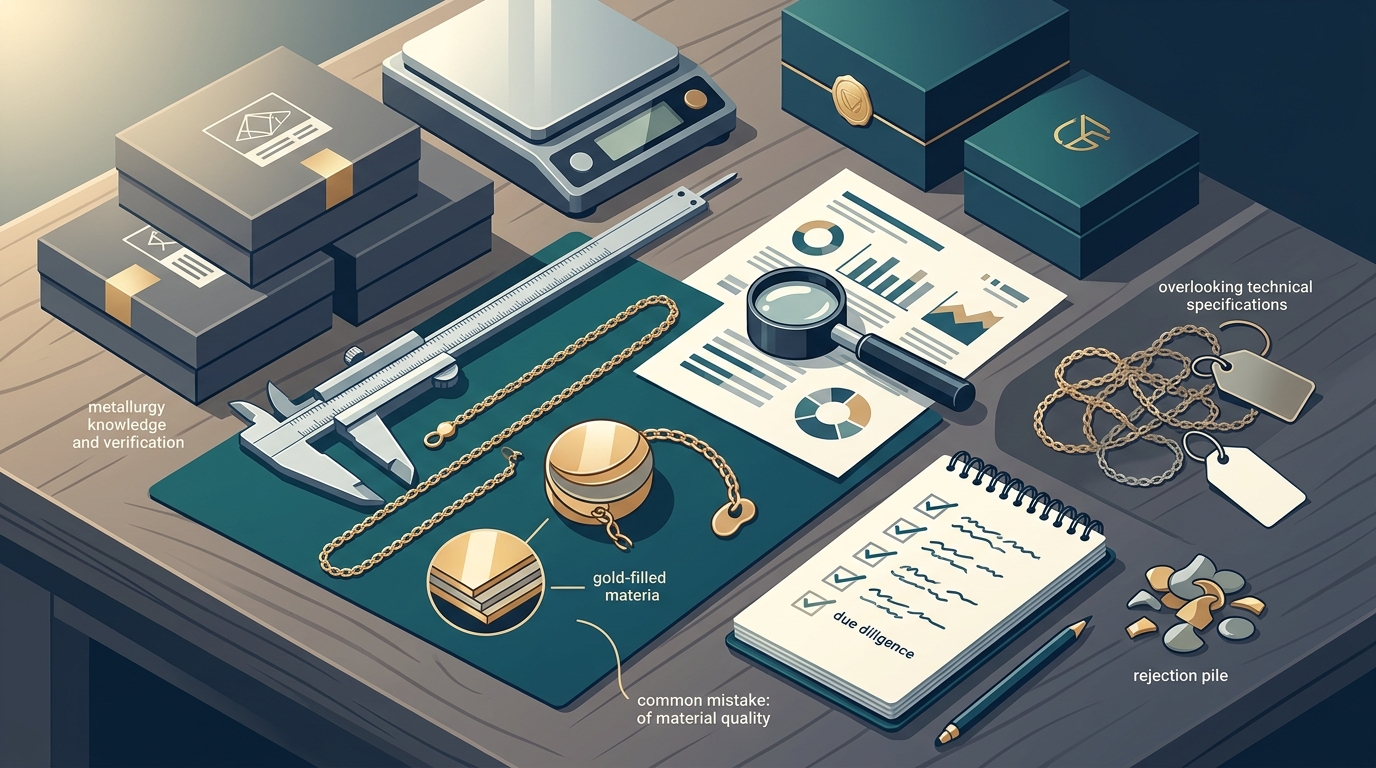
The most fundamental error buyers make is confusing gold-filled jewelry with gold-plated items. Gold-filled jewelry is a distinct category with legal definitions. Gold-filled jewelry is a composite material where a layer of gold is mechanically bonded to a base metal core. In the United States, the Federal Trade Commission (FTC) mandates that gold-filled items must contain at least 5% gold by weight. This is a critical distinction because plated items often contain less than 0.05% gold, making them prone to rapid tarnishing and skin irritation.
Buyers must ensure their inventory clearly distinguishes between these categories. Selling gold-filled items as "gold-plated" devalues the product, while selling plated items as "gold-filled" constitutes fraud. Reputable suppliers provide detailed assay reports and hallmarking standards. For instance, 14k solid gold necklaces offer a different value proposition than gold-filled chains, and understanding this difference is vital for accurate pricing strategies. Always verify that your wholesale partner adheres to these strict regulatory frameworks to maintain brand integrity.
Mistakes Regarding Weight and Layer Thickness
Another common pitfall is ignoring the weight-to-gold-ratio in gold-filled chains and findings. Not all gold-filled items are created equal. Some manufacturers use thinner gold layers on heavier base metals to cut costs, resulting in items that are heavy but lack the durability expected of premium gold-filled goods. Buyers should prioritize items with a high gold-to-weight ratio, such as those using 14k or 10k gold layers over sterling silver or brass cores.
When evaluating 925 earrings or other fine jewelry pieces, check the specific karat weight and the thickness of the gold layer. Thicker layers ensure the jewelry can withstand daily wear and occasional polishing without revealing the base metal. This attention to detail prevents customer returns due to premature wear and tear. Always request sample kits to physically test the durability and weight of potential wholesale inventory before committing to large orders.
Ignoring Base Metal Alloy Quality
The durability of gold-filled jewelry depends heavily on the base metal used. A frequent mistake is sourcing items with low-quality brass or nickel-containing alloys as the core. Nickel is a common allergen, and its presence in the base metal can cause skin reactions even if the gold layer is intact. Buyers must ensure their suppliers use hypoallergenic base metals, such as sterling silver or high-grade brass, to minimize liability and customer complaints.
Furthermore, the bonding process must be robust. Poorly bonded layers can delaminate over time, especially when exposed to moisture and chemicals. GoldFi and other top-tier suppliers utilize heat and pressure to create a permanent bond between the gold and the core. This process ensures that the gold layer cannot flake off, maintaining the item's appearance and value for years. Always ask your supplier about their bonding technology and base metal composition to ensure you are stocking safe, durable products.
Failing to Verify Supplier Authenticity
The wholesale market is rife with counterfeit or mislabeled gold-filled items. Buyers who do not thoroughly vet their suppliers risk stocking fake goods. This mistake can destroy a retailer's reputation overnight. Verification involves checking for industry certifications, such as those from the National Gold Association, and reviewing the supplier's track record.
Look for suppliers who offer transparent sourcing information and consistent quality control. Adjustable rings and other complex pieces require precise manufacturing to ensure the gold layer remains intact during shaping. Suppliers with specialized equipment and expertise are less likely to produce defective goods. Additionally, check for customer reviews and industry references to gauge reliability. A trustworthy supplier will be transparent about their manufacturing processes and willing to provide documentation upon request.
Overlooking Strategic Product Range Diversity
Many new buyers focus exclusively on high-volume items like basic chains, neglecting the diverse range of gold-filled products available. This mistake limits market reach and reduces the potential for cross-selling. The gold-filled market includes a wide array of categories, from anklets to intricate pendants and bridal jewelry.
Expanding your product range to include niche categories can attract different customer segments. For example, bridal customers often seek gold-filled options for their durability and affordability compared to solid gold. Similarly, fashion-forward consumers may prefer trendy anklets or statement pieces. By curating a diverse inventory, you can cater to various tastes and occasions, increasing overall sales potential. Work with suppliers who offer a comprehensive catalog to ensure you can meet these diverse demands.
Neglecting Care and Maintenance Education
Even high-quality gold-filled jewelry requires proper care. A common mistake is failing to educate customers on maintenance, leading to premature tarnishing and damage. Gold-filled items should be stored in airtight containers to prevent exposure to humidity and air. They should also be kept away from harsh chemicals, including perfumes, lotions, and cleaning agents.
Providing care instructions with your products can significantly reduce returns and enhance customer satisfaction. Simple guidelines, such as removing jewelry before swimming or showering, can extend the life of the item. Additionally, recommend gentle cleaning methods using mild soap and water. By empowering your customers with knowledge, you build trust and encourage repeat business. This proactive approach to customer service is a key differentiator in the competitive jewelry market.
Key Takeaways
- Gold-filled jewelry must contain at least 5% gold by weight to meet FTC standards.
- Always verify the base metal alloy to ensure hypoallergenic properties and durability.
- Prioritize suppliers with transparent bonding processes and industry certifications.
- Diversify your product range to include niches like bridal and fashion jewelry.
- Educate customers on proper care to maintain the longevity of gold-filled items.
- Request sample kits to physically test weight, thickness, and durability before bulk ordering.
- Understand the difference between gold-filled and gold-plated to avoid mislabeling.
Frequently Asked Questions
What is the difference between gold-filled and gold-plated jewelry?
Gold-filled jewelry contains a much thicker layer of gold bonded to a base metal, typically making up 5% of the item's weight. Gold-plated jewelry has a microscopic layer of gold, often less than 0.05% of the weight, which wears off quickly.
Is gold-filled jewelry hypoallergenic?
Gold-filled jewelry is generally hypoallergenic, especially when the base metal is sterling silver. However, if the base metal contains nickel, it may cause reactions. Always check the base metal composition.
How long does gold-filled jewelry last?
With proper care, gold-filled jewelry can last for decades without tarnishing or wearing through to the base metal. It is significantly more durable than gold-plated items.
Can I wear gold-filled jewelry in the shower?
It is not recommended to wear gold-filled jewelry in the shower. Exposure to water, soap, and chemicals can accelerate tarnishing and damage the item over time.
How do I clean gold-filled jewelry?
Clean gold-filled jewelry with a soft cloth and mild soap and water. Avoid harsh chemicals and abrasive cleaners. Store it in a dry, airtight container when not in use.
Where can I buy wholesale gold-filled jewelry?
You can buy wholesale gold-filled jewelry from reputable suppliers like GoldFi, which offers a wide range of high-quality, USA-supplied gold-filled items.
What is the best karat for gold-filled jewelry?
14k and 10k are the most common karats for gold-filled jewelry. 14k offers a richer color and higher gold content, while 10k is more durable and affordable.
Start Sourcing Quality Gold-Filled Jewelry Today
Avoiding these common mistakes ensures you build a reputable, profitable jewelry business. By prioritizing quality, authenticity, and customer education, you can succeed in the growing gold-filled market. Explore the extensive collection of wholesale gold-filled jewelry at GoldFi to find the perfect products for your store. Visit our 14k solid gold necklaces and 925 earrings sections to discover premium options that meet the highest industry standards.