
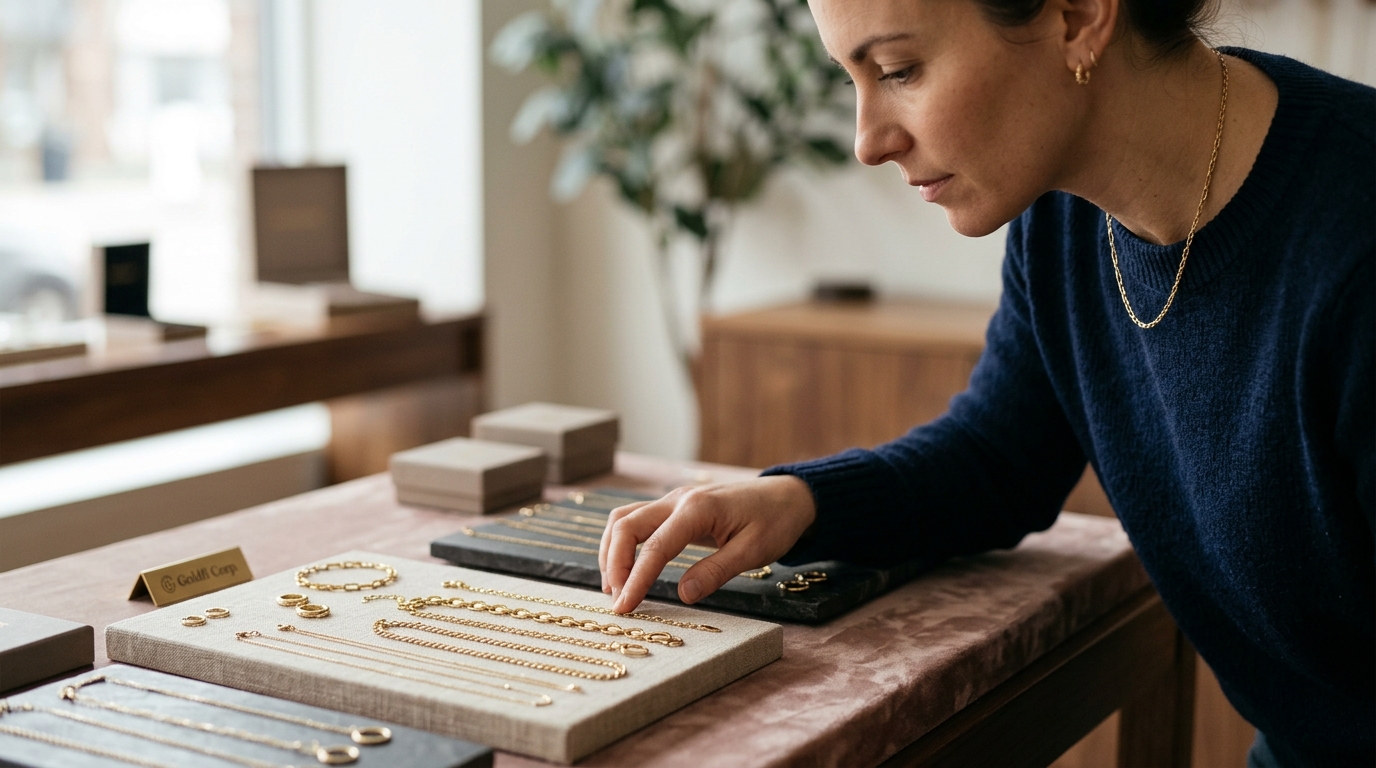
Gold-filled jewelry has emerged as the premier alternative to solid gold for budget-conscious consumers seeking durability and lasting shine. According to recent industry data, the global gold-filled market is projected to grow significantly through 2026, driven by demand for affordable luxury. However, navigating this market requires careful attention to detail. Many buyers fall into traps that result in poor quality or misleading purchases. Understanding these pitfalls is essential for securing high-value pieces that maintain their appearance over time.
Ignoring the Gold-Filled Weight Ratio
One of the most critical errors buyers make is overlooking the specific weight ratio of the gold layer. Gold-filled jewelry is legally defined by the proportion of gold to the total weight of the item. In the United States, a piece must contain at least 5% gold by weight to be labeled gold-filled. This is often denoted as 1/20 12K GF, meaning one-twentieth of the weight is 12-karat gold.
Many consumers assume all gold-filled items are created equal. This is incorrect. A higher ratio, such as 1/10, indicates a thicker gold layer and greater durability. When shopping for affordable options, always check the product specifications for this ratio. Items with a lower ratio may wear through faster, exposing the base metal beneath. For a comprehensive selection of verified gold-filled items, explore the GoldFi wholesale collection which adheres to strict quality standards.
Confusing Gold-Filled with Gold-Plated
Perhaps the most common mistake is confusing gold-filled jewelry with gold-plated pieces. While the terms sound similar, the difference in quality and longevity is substantial. Gold-plated jewelry involves a microscopic layer of gold applied to a base metal through electroplating. This layer is often less than a micron thick and can wear off quickly with regular use.
Gold-filled jewelry, by contrast, is created by mechanically bonding a thick layer of gold to a base metal core using heat and pressure. This process results in a layer that is 100 times thicker than standard gold plating. As a result, gold-filled pieces can last for decades with proper care, whereas gold-plated items may tarnish within months. To understand the technical differences, refer to the FTC jewelry guidelines which clarify these distinctions.
Overlooking the Base Metal Composition
The durability and appearance of gold-filled jewelry depend heavily on the base metal used. The most common base metals are brass, copper, and sterling silver. Brass is the industry standard for most affordable gold-filled pieces due to its cost-effectiveness and strength. However, for individuals with sensitive skin, brass can sometimes cause irritation.
Sterling silver is often used as a base for higher-end gold-filled jewelry, particularly for items like 925 sterling silver earrings. This combination offers superior hypoallergenic properties while maintaining the rich look of gold. Buyers should always verify the base metal in the product description. If you have known metal sensitivities, opting for a sterling silver base is a prudent choice. For more information on metal allergies, consult the National Center for Biotechnology Information on contact dermatitis.
Neglecting Proper Care and Maintenance
Even the highest quality gold-filled jewelry requires proper care to maintain its luster. A frequent mistake is exposing these pieces to harsh chemicals, such as chlorine, bleach, or strong perfumes. These substances can accelerate tarnishing and degrade the gold layer over time. Additionally, storing jewelry in humid environments can lead to oxidation of the base metal.
To prevent damage, remove gold-filled jewelry before swimming, showering, or exercising. Store pieces in a dry, airtight container or a jewelry box with anti-tarnish strips. Regular cleaning with a soft, lint-free cloth can help remove oils and dirt that accumulate on the surface. For specialized cleaning needs, consider using a professional jewelry cleaning tool designed for gold-filled materials.

Choosing Low-Quality Findings and Clasps
The findings and clasps of a jewelry piece are often the first points of failure. Many affordable items use low-quality brass or nickel-based clasps that can break easily or cause allergic reactions. A broken clasp can render an otherwise beautiful piece unwearable. Buyers should inspect the clasp mechanism before purchasing. Look for sturdy lobster claws, spring rings, or box clasps that operate smoothly.
High-quality gold-filled jewelry should have findings that match the durability of the main piece. Some premium brands use gold-filled findings to ensure consistency in quality and appearance. When browsing GoldFi necklaces, pay attention to the clasp type and material to ensure long-term usability.
Skipping the Hallmark Verification
Reputable manufacturers hallmark their gold-filled jewelry to indicate the gold content and base metal. Skipping this verification step can lead to purchasing counterfeit or substandard items. A hallmark typically includes the gold purity (e.g., 12K, 14K), the weight ratio (e.g., 1/20), and the manufacturer's mark.
If a piece lacks a hallmark, it may not meet legal standards for gold-filled jewelry. This is particularly important when buying online, where physical inspection is not possible. Trust sellers who provide detailed product information and clear hallmark images. For a reliable source of hallmark-compliant jewelry, visit the GoldFi rings collection which features verified quality tags.
Comparison of Gold-Filled vs. Gold-Plated
| Feature | Gold-Filled | Gold-Plated |
|---|---|---|
| Gold Layer Thickness | 100x thicker than plating | Microscopic layer |
| Lifespan | Decades with care | Months to a few years |
| Legal Standard | 5% gold by weight | No strict weight requirement |
| Hypoallergenic | Yes, if sterling silver base | Often causes irritation |
| Resale Value | Higher | Negligible |
Key Takeaways
- Gold-filled jewelry must contain at least 5% gold by weight to be legally labeled as such.
- The gold layer in gold-filled pieces is significantly thicker than in gold-plated items, ensuring greater durability.
- Sterling silver bases offer better hypoallergenic properties compared to brass bases.
- Proper storage and cleaning are essential to prevent tarnishing and extend the life of the jewelry.
- Always verify the hallmark and gold ratio before making a purchase.
- High-quality findings and clasps are crucial for the longevity of the piece.
- Gold-filled jewelry is a cost-effective alternative to solid gold with comparable appearance.
Frequently Asked Questions
Is gold-filled jewelry waterproof?
Gold-filled jewelry is water-resistant and can be worn in the shower or swimming pool occasionally. However, prolonged exposure to water and chemicals can accelerate tarnishing. It is best to remove the jewelry before swimming in chlorinated pools or the ocean.
How can I tell if jewelry is gold-filled?
Look for hallmarks such as "1/20 12K GF" or "1/20 14K GF" stamped on the piece. These marks indicate the gold content and weight ratio. If no hallmark is present, the item may be gold-plated or made of a different material.
Can gold-filled jewelry turn green?
If the base metal is brass or copper, the jewelry may turn green if the gold layer wears through. This is more common with lower-quality pieces or those with thin gold layers. Choosing gold-filled jewelry with a sterling silver base can prevent this issue.
What is the difference between 12K and 14K gold-filled?
The difference lies in the purity of the gold layer. 14K gold is 58.3% pure gold, while 12K gold is 50% pure gold. Both are durable, but 14K gold-filled jewelry has a richer yellow color and slightly higher gold content.
How do I clean gold-filled jewelry?
Clean gold-filled jewelry with a soft, lint-free cloth and mild soap and water. Avoid using harsh chemicals or abrasive cleaners. For stubborn tarnish, use a jewelry polishing cloth designed for gold-filled materials.
Is gold-filled jewelry hypoallergenic?
Gold-filled jewelry can be hypoallergenic, especially if the base metal is sterling silver. However, if the base metal is brass, it may cause irritation for those with sensitive skin. Always check the base metal composition before purchasing.
Where can I buy affordable gold-filled jewelry?
You can purchase affordable gold-filled jewelry from reputable online retailers like GoldFi, which offers a wide range of wholesale and retail options. Ensure the seller provides detailed product information and quality guarantees.
Start Your Gold-Filled Jewelry Journey
Avoiding these common mistakes will help you invest in high-quality gold-filled jewelry that offers lasting beauty and value. By understanding the differences between gold-filled and gold-plated, verifying hallmarks, and caring for your pieces properly, you can enjoy the look of solid gold without the premium price tag. Explore the extensive collection at GoldFi to find the perfect pieces for your wardrobe.