

Common Mistakes When Buying Gold-Filled Jewelry and How to Avoid Them
Gold-filled jewelry has emerged as the premier alternative to solid gold for consumers seeking durability without the prohibitive cost. According to recent market analysis, the global gold-filled jewelry market is projected to grow at a compound annual growth rate of over 5% through 2030, driven by demand for sustainable and affordable luxury. This surge in popularity, however, has led to a proliferation of misleading marketing terms and low-quality imitations. Understanding the technical specifications of gold-filled items is critical to ensuring you receive a product that retains its value and appearance over decades of wear.
What Is Gold-Filled Jewelry?
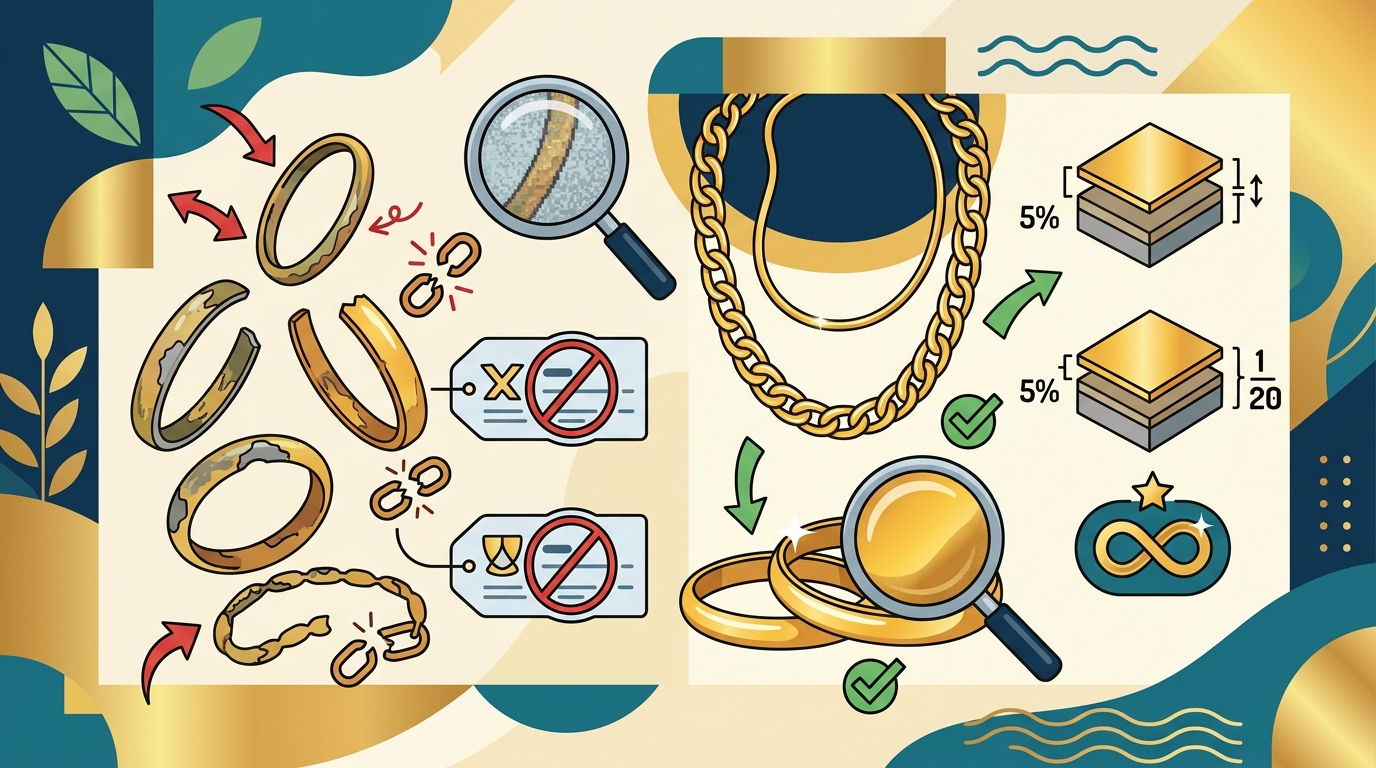
Gold-filled jewelry is a specific type of layered metal product created by bonding a thick layer of karat gold to a base metal core, typically brass. Gold-filled is not merely a marketing term but a legal standard regulated by the Federal Trade Commission in the United States. The term "gold-filled" is a formal definition describing a material where the gold layer constitutes at least 5% of the total weight of the item. This process involves heat and pressure to fuse the layers permanently, resulting in a product that is significantly more durable than gold-plated alternatives.
Unlike solid gold, which is expensive due to the sheer volume of precious metal used, gold-filled jewelry offers a cost-effective solution for those who want the look and longevity of gold. The gold layer is mechanically bonded, meaning it will not flake or wear off easily under normal conditions. For a deeper understanding of the manufacturing standards, you can review the FTC guidelines on gold-filled materials. This regulatory framework ensures that consumers are protected from deceptive labeling practices.
Mistake 1: Confusing Gold-Filled with Gold-Plated
The most frequent error consumers make is treating gold-filled and gold-plated jewelry as interchangeable. This confusion arises because both products feature a visible layer of gold on the surface. However, the thickness of that layer differs drastically. Gold-plated jewelry typically has a microscopic layer of gold, often less than 0.5 microns thick, applied via electrochemical processes. This thin layer wears away quickly with regular use, exposing the base metal underneath.
In contrast, gold-filled jewelry has a gold layer that is 100 times thicker than that of standard gold plating. This substantial difference means that gold-filled items can last for decades with proper care, while gold-plated items may lose their luster in a matter of months. To understand the technical differences in layer thickness, refer to the industry standards for jewelry layering. Recognizing this distinction is vital for making a long-term investment in your jewelry collection.
Mistake 2: Ignoring the Gold Weight Ratio
Not all gold-filled jewelry is created equal. The quality and durability of the piece are directly related to the ratio of gold to base metal. In the United States, the most common standard is 1/20 12K gold-filled, which means that one-twentieth of the item's total weight is 12-karat gold. This ratio ensures a substantial amount of precious metal is present, contributing to the item's longevity and value.
Some lower-quality items may use a 1/24 ratio or lower karat gold, which reduces the overall gold content and durability. When shopping, always look for the specific ratio stamped on the item. A higher ratio, such as 1/10, indicates a thicker gold layer and a more premium product. For detailed information on karat weights and their impact on durability, consult the comprehensive guide to karat weights. Understanding these ratios empowers you to make informed purchasing decisions.
Mistake 3: Assuming Hypoallergenic Properties
Many buyers assume that gold-filled jewelry is completely hypoallergenic. While the gold layer provides a barrier between the skin and the base metal, it is not a guarantee against allergic reactions. If the gold layer is worn through or if the item has microscopic pores, the underlying brass or nickel can come into contact with the skin, potentially causing irritation for those with sensitivities.
To minimize the risk of allergic reactions, choose gold-filled items that specify a nickel-free base metal. Additionally, ensure that the gold layer is thick enough to withstand daily wear without compromising the integrity of the surface. For insights into metal allergies and jewelry safety, read the research on nickel allergies in jewelry. Being proactive about material composition can prevent discomfort and maintain the health of your skin.
Mistake 4: Neglecting Proper Maintenance
Even the highest quality gold-filled jewelry requires proper care to maintain its appearance. A common mistake is exposing these items to harsh chemicals, such as chlorine, bleach, or strong perfumes, which can degrade the gold layer over time. While gold-filled jewelry is more resistant to tarnish than silver, it is not immune to chemical damage.
Regular cleaning with a soft cloth and mild soap can help preserve the luster of your pieces. Avoid using abrasive cleaners or ultrasonic cleaners, which can scratch the surface or loosen the bond between the gold and base metal. For expert advice on jewelry care, explore the best practices for gold-filled maintenance. Consistent care extends the life of your jewelry and keeps it looking brand new.
Mistake 5: Failing to Verify Hallmarks
Reputable manufacturers stamp their gold-filled items with hallmarks that indicate the gold content and ratio. Ignoring these stamps is a critical error, as they provide proof of authenticity. Without a hallmark, there is no guarantee that the item is truly gold-filled or that it meets the required standards.
Look for stamps such as "1/20 12K GF" or "14K GF" on the clasp or band of the jewelry. These markings are legally required in many jurisdictions and serve as a warranty of quality. If an item lacks these markings, it is safer to assume it is gold-plated or a lower-quality imitation. For a guide on identifying authentic hallmarks, visit the hallmark identification resource. Verification ensures you receive the value you paid for.
Key Takeaways
- Gold-filled jewelry contains at least 5% gold by weight, making it a durable and affordable alternative to solid gold.
- The gold layer in gold-filled items is significantly thicker than in gold-plated jewelry, ensuring longer-lasting wear.
- Look for the 1/20 12K ratio as a standard indicator of quality and authenticity in gold-filled pieces.
- Gold-filled jewelry is not automatically hypoallergenic; check for nickel-free base metals if you have sensitivities.
- Proper maintenance, including avoiding harsh chemicals and regular cleaning, is essential for preserving the item's luster.
- Always verify hallmarks such as "1/20 12K GF" to confirm the authenticity and quality of the jewelry.
- Understanding the difference between gold-filled and gold-plated helps consumers make informed and cost-effective purchases.
Frequently Asked Questions
Is gold-filled jewelry worth the investment?
Yes, gold-filled jewelry is considered a worthwhile investment because it offers the appearance and durability of solid gold at a fraction of the cost. With proper care, it can last for decades without tarnishing or wearing through.
Can gold-filled jewelry turn your skin green?
While rare, gold-filled jewelry can turn your skin green if the gold layer wears through and exposes the underlying brass or copper. Choosing high-quality items with thick gold layers and nickel-free bases minimizes this risk.
How do I clean gold-filled jewelry?
Clean gold-filled jewelry using a soft, lint-free cloth and a mild soap solution. Avoid abrasive materials or harsh chemicals that can damage the gold layer. Dry thoroughly after cleaning to prevent water spots.
What is the difference between gold-filled and vermeil?
Vermeil is sterling silver coated with a thick layer of gold, whereas gold-filled is brass coated with gold. Gold-filled items are generally more durable and resistant to tarnish than vermeil, making them suitable for everyday wear.
Can I wear gold-filled jewelry in the shower?
It is generally recommended to remove gold-filled jewelry before showering or swimming. Exposure to chlorine, saltwater, and soaps can accelerate the wear of the gold layer and reduce the item's lifespan.
How can I tell if jewelry is gold-filled?
Look for hallmarks stamped on the item, such as "1/20 12K GF" or "14K GF." These markings indicate the gold content and ratio. If no hallmark is present, the item may be gold-plated or a lower-quality imitation.
Is gold-filled jewelry magnetic?
Gold-filled jewelry is not magnetic because the outer layer is gold, which is non-magnetic. However, the base metal core may be magnetic if it contains iron or nickel. A magnet test is not a reliable method for verifying gold-filled status.
Where can I buy high-quality gold-filled jewelry?
You can purchase high-quality gold-filled jewelry from reputable retailers like Goldfi, which specialize in durable and authentic pieces. Always check for hallmarks and read customer reviews to ensure quality.
Shop Premium Gold-Filled Collections
Avoid the common pitfalls of buying gold-filled jewelry by choosing trusted sources that prioritize quality and transparency. At Goldfi, we offer a curated selection of durable, authentic gold-filled pieces designed for everyday elegance and longevity. Explore our gold-filled collection to find the perfect addition to your jewelry box. Visit our about page to learn more about our commitment to craftsmanship and sustainability. Start your journey to timeless style by shopping our latest arrivals today.