

Gold-filled jewelry represents a significant tier in the hierarchy of precious metal accessories, offering a durable alternative to both solid gold and gold-plated items. According to industry data, the global jewelry market is increasingly shifting toward value-driven materials that balance longevity with aesthetic appeal. Gold-filled pieces are constructed by bonding a thick layer of gold to a base metal core, creating a product that is substantially more resilient than standard plating. This guide details the specific quality standards, legal definitions, and maintenance protocols required to identify authentic gold-filled items.
Understanding Gold-Filled Definitions
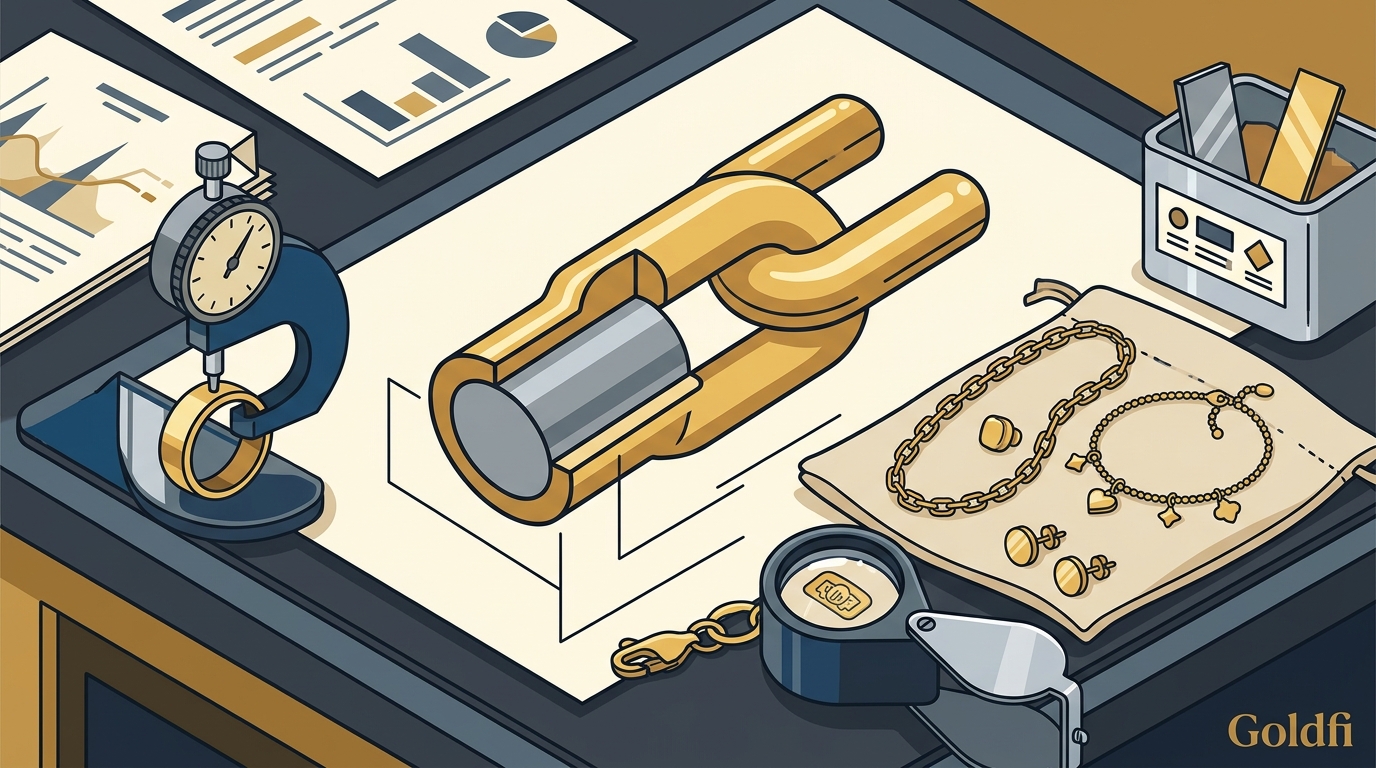
To understand the value of gold-filled jewelry, one must first grasp the technical definition that governs its production. Gold-filled jewelry is a layered metal product where the outer layer is bonded to a base metal core using heat and pressure. This is not a surface coating but a structural component of the item itself. The Federal Trade Commission (FTC) in the United States has established strict guidelines for labeling these items to prevent consumer deception.
Gold-filled is defined as a material where the gold layer comprises at least 5% of the total weight of the item. This is a critical distinction from gold plating, which involves a microscopic layer of gold applied via electrochemical processes. The thickness of the gold layer in gold-filled jewelry is typically 100 times thicker than that of standard gold plating. This substantial difference in material volume is what grants gold-filled jewelry its renowned durability and resistance to tarnish.
When shopping for these items, you will often see stamps indicating the karat weight and the ratio of gold to base metal. For example, a stamp reading "1/20 14K GF" indicates that one-twentieth of the item's weight is 14-karat gold. This transparency in labeling is a hallmark of reputable manufacturers who adhere to strict quality standards. For more information on our specific product lines, you can explore our 14K Solid Gold Necklaces and compare them with our gold-filled offerings.
The Bonding Process Explained
The creation of gold-filled jewelry involves a precise mechanical bonding process that ensures the gold layer remains intact over decades of wear. The process begins with a base metal core, typically brass or copper, which is cleaned and prepared for bonding. A sheet of gold alloy is then placed over the core metal. This sandwich of metals is passed through a series of rolling mills that reduce the thickness while simultaneously bonding the layers together.
Heat and pressure are applied during this rolling process to create a permanent metallurgical bond. This bond is so strong that the gold layer cannot be separated from the base metal without destroying the item. The result is a material that behaves like solid gold in terms of appearance and wear characteristics. Unlike plated jewelry, which can wear through to reveal the base metal underneath, gold-filled jewelry will eventually wear down to the base metal only after many years of heavy use.
This manufacturing complexity is why gold-filled jewelry commands a higher price point than plated items but remains more accessible than solid gold. The durability of the bond is a key selling point for consumers who seek long-term value. You can view our extensive range of 925 Sterling Silver Earrings to see how we apply similar quality standards across different metal types.
How to Identify Quality Standards
Identifying genuine gold-filled jewelry requires attention to detail and an understanding of hallmarking conventions. The most reliable indicator is the stamp found on the clasp, post, or inner band of the item. Reputable manufacturers will always stamp their pieces with the karat weight and the fraction representing the gold content. Common stamps include "1/20 14K GF" or "1/10 10K GF".
Another method of identification is the color and weight of the piece. Gold-filled jewelry has the same warm, rich hue as solid gold of the same karat weight. It does not have the shiny, artificial look that can sometimes accompany low-quality plating. Additionally, gold-filled items are heavier than their plated counterparts due to the thicker gold layer. If a piece feels unusually light for its size, it may be gold-plated rather than gold-filled.
Testing methods such as acid testing can also determine the gold content, but these are destructive and should only be performed by professionals. For consumers, relying on the manufacturer's reputation and clear hallmarking is the best approach. GoldFi provides detailed product descriptions for all our items, ensuring you know exactly what you are purchasing. Explore our Adjustable Rings collection to see high-quality gold-filled options in various styles.
Gold-Filled vs. Other Metals
Understanding where gold-filled jewelry fits in the broader market helps consumers make informed decisions. Below is a comparison of gold-filled jewelry with other common jewelry materials.
| Material Type | Gold Content | Durability | Cost Range | Best For |
|---|---|---|---|---|
| Gold-Filled | 5% of total weight | High | Mid-Range | Daily wear, longevity |
| Gold Plated | <0.05% of total weight | Low | Low | Occasional wear, fashion |
| Solid Gold | 100% gold alloy | Very High | High | Investment, heirlooms |
| Vermeil | 2.5 microns over silver | Medium | Mid-High | Sensitive skin, luxury feel |
As shown in the table, gold-filled jewelry offers a unique balance of cost and durability. It is significantly more durable than gold-plated items and more affordable than solid gold. This makes it an ideal choice for everyday jewelry that needs to withstand regular exposure to water, sweat, and friction. For those interested in other precious metal options, our Anklets collection includes various materials to suit different preferences.
Care and Maintenance Protocols
While gold-filled jewelry is highly durable, proper care is essential to maintain its luster and extend its lifespan. The gold layer is resistant to tarnish, but it can still accumulate dirt and oils from daily wear. Regular cleaning with a soft, lint-free cloth can help remove these deposits and restore shine.
For deeper cleaning, use a mild soap and warm water solution. Gently scrub the item with a soft-bristled toothbrush, paying attention to crevices and settings. Rinse thoroughly with clean water and dry completely with a soft cloth. Avoid using harsh chemicals, bleach, or abrasive cleaners, as these can damage the gold layer over time.
It is also important to store gold-filled jewelry properly. Keep pieces in a dry, cool place, ideally in individual pouches or boxes to prevent scratching. Removing jewelry before swimming, showering, or exercising can further protect the item from exposure to chlorine and sweat. For more tips on jewelry care, check out our Jewelry Care Guide.
Key Takeaways
- Gold-filled jewelry contains at least 5% gold by weight, bonded to a base metal core.
- The gold layer is 100 times thicker than standard gold plating, ensuring greater durability.
- Look for stamps such as "1/20 14K GF" to verify authenticity and quality.
- Gold-filled jewelry is more affordable than solid gold but offers similar wear characteristics.
- Regular cleaning with mild soap and water helps maintain the jewelry's shine.
- Proper storage and avoiding harsh chemicals extend the lifespan of gold-filled pieces.
- GoldFi offers a wide range of high-quality gold-filled earrings, necklaces, and rings.
Frequently Asked Questions
Is gold-filled jewelry real gold?
Yes, gold-filled jewelry contains real gold. The outer layer is a genuine gold alloy that is mechanically bonded to the base metal core. It is not a fake or imitation material.
How long does gold-filled jewelry last?
With proper care, gold-filled jewelry can last for decades. The thick gold layer is resistant to tarnish and wear, making it suitable for everyday use. It will eventually wear down to the base metal, but this process takes many years.
Can I wear gold-filled jewelry in the shower?
While gold-filled jewelry is water-resistant, it is best to remove it before showering or swimming. Exposure to chlorine, salt water, and harsh soaps can dull the finish over time.
What is the difference between gold-filled and vermeil?
Gold-filled jewelry has a thicker gold layer bonded to a brass or copper core, while vermeil consists of a layer of gold plated over sterling silver. Vermeil is often considered more luxurious but is less durable than gold-filled.
Does gold-filled jewelry turn skin green?
Gold-filled jewelry is generally hypoallergenic and does not turn skin green. The gold layer acts as a barrier between the base metal and your skin, preventing reactions that can occur with lower-quality plated items.
How do I clean gold-filled jewelry?
Clean gold-filled jewelry with a soft cloth and mild soap solution. Avoid abrasive cleaners and harsh chemicals. Dry thoroughly after cleaning to prevent water spots.
Where can I buy high-quality gold-filled jewelry?
GoldFi is a premier destination for quality gold-filled jewelry wholesale and retail. We offer a wide selection of earrings, necklaces, bracelets, and rings that meet strict quality standards.
Shop the Collection
Discover the perfect blend of durability and elegance with GoldFi's gold-filled jewelry. Our collection features a diverse range of styles, from classic hoops to modern pendants, all crafted to the highest quality standards. Whether you are looking for everyday essentials or statement pieces, we have something for everyone. Visit our GoldFi homepage to explore our full catalog and find your next favorite piece.