

Common Mistakes When Shopping for Premium Gold-Filled Jewelry Online
Gold-filled jewelry has surged in popularity as the ideal alternative to solid gold, offering durability and a rich appearance at a fraction of the cost. According to industry data, the global gold-filled market is projected to grow significantly through 2026, driven by consumer demand for sustainable and affordable luxury. However, navigating the online marketplace can be treacherous for the uninitiated. Many shoppers fall victim to misleading terminology, poor quality control, and inadequate care instructions. This guide outlines the critical errors to avoid when purchasing from suppliers like GoldFi, ensuring you invest in pieces that last a lifetime.
Confusing Gold-Filled with Gold-Plated
The most frequent mistake shoppers make is conflating gold-filled jewelry with gold-plated items. While they may look identical to the naked eye, their longevity and value differ drastically. Gold-plated jewelry consists of a thin layer of gold electroplated onto a base metal. This layer is often microscopic and can wear off within months, revealing the underlying metal. In contrast, gold-filled jewelry is a layered material made by mechanically bonding gold to a base metal core. This process creates a much thicker gold layer that is significantly more durable and resistant to tarnish.
When shopping online, always check the product description for the term "gold-filled." If a seller uses vague terms like "gold tone" or "gold finish," assume the item is merely plated. Reputable retailers such as GoldFi clearly label their inventory to distinguish between solid gold, gold-filled, and plated options. Understanding this distinction is the first step toward making a smart investment.
Ignoring Legal Weight Standards
In the United States, the Federal Trade Commission (FTC) enforces strict guidelines for what can be legally labeled as "gold-filled." A common error is purchasing items that claim to be gold-filled but do not meet these weight requirements. For an item to be legally sold as gold-filled in the US, the gold layer must comprise at least 1/20th of the total weight of the item. This is a substantial amount of gold compared to plating, which may contain only a few millionths of an inch of gold.
Shoppers often overlook the fineness of the gold as well. Gold-filled items are typically made with 12K, 14K, or 18K gold layers. A 14K gold-filled piece contains a higher concentration of pure gold in its outer layer than a 12K piece. When browsing collections like GoldFi's earring selection, pay close attention to the karat weight listed. Ignoring these standards can lead to purchasing items that are technically non-compliant or of inferior quality, even if they appear shiny and new.
Overlooking the Base Metal Composition
The durability of gold-filled jewelry is heavily dependent on the base metal core. The most common base metals used are brass and sterling silver. Brass is the industry standard for most gold-filled jewelry due to its strength and cost-effectiveness. However, for those with sensitive skin, brass can sometimes cause irritation if the gold layer wears down over time. Sterling silver cores are often used in higher-end pieces to provide a hypoallergenic foundation.
Many shoppers fail to research the base metal before buying. If you have nickel allergies or sensitive skin, ensure the base metal is sterling silver or another hypoallergenic option. Retailers like GoldFi often specify the core material in detailed product descriptions. By understanding the composition, you can avoid allergic reactions and ensure the jewelry complements your skin tone and sensitivity levels.
Neglecting Craftsmanship and Findings
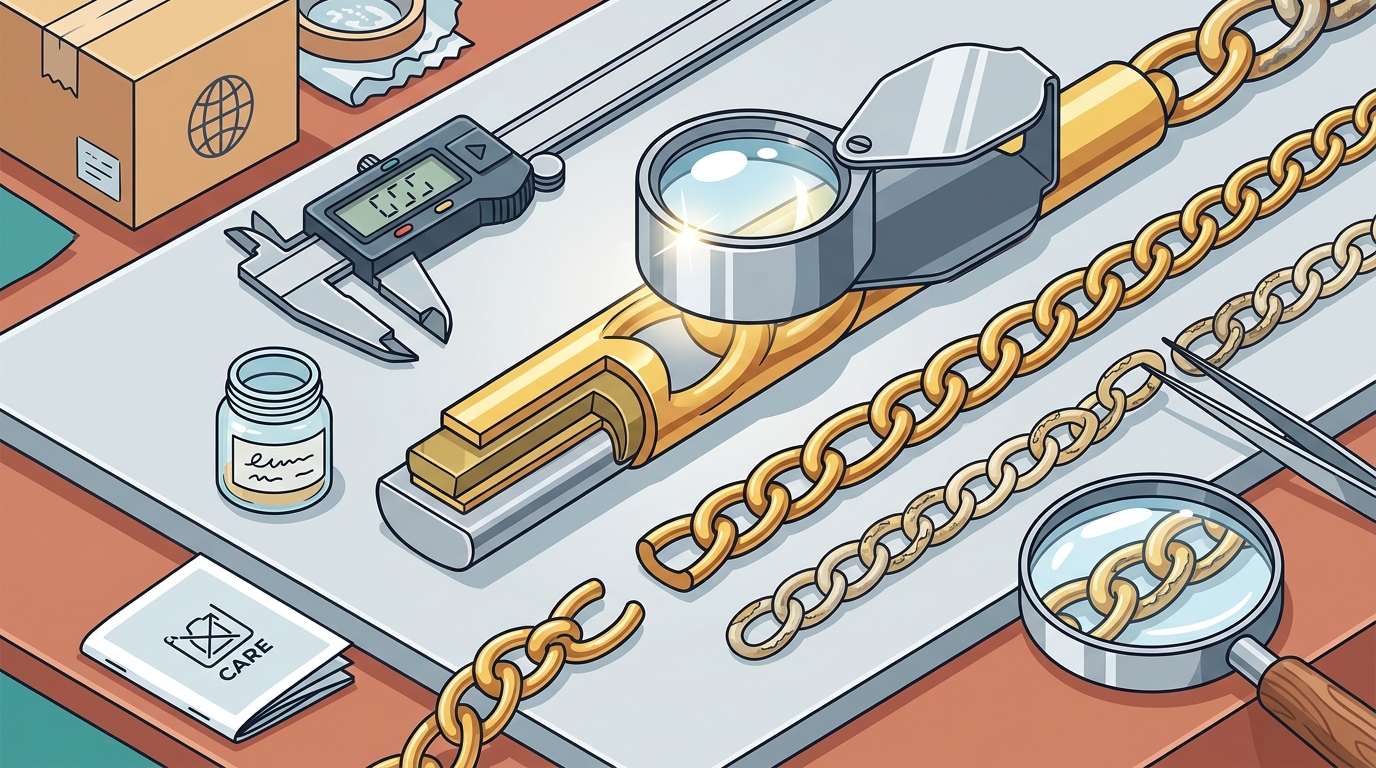
Even the highest quality gold-filled material can fail if the craftsmanship is poor. A common mistake is focusing solely on the gold layer while ignoring the construction of the piece. Look closely at the findings, such as clasps, jump rings, and ear wires. Cheap findings made from low-grade metals can tarnish quickly, ruining the overall appearance of the jewelry. Additionally, weak solder points can lead to broken chains or lost pendants.
When evaluating online listings, zoom in on product images to inspect the details. Reputable brands invest in high-quality findings that match the durability of the gold-filled components. For instance, GoldFi's anklet collection features robust clasps and secure connections designed to withstand daily wear. Ignoring these structural details can result in jewelry that looks good initially but falls apart after minimal use.
Adopting Poor Care Practices
Gold-filled jewelry is durable, but it is not indestructible. A significant mistake shoppers make is treating it like solid gold and subjecting it to harsh conditions. Exposure to chlorine, saltwater, and harsh chemicals can damage the gold layer over time. Swimming in a pool or hot tub while wearing gold-filled jewelry can accelerate tarnishing and wear.
Another common error is improper storage. Storing gold-filled pieces in humid environments or tossing them loosely in a jewelry box can lead to tangling and scratches. To maintain the luster of your jewelry, store it in a dry, cool place, preferably in individual pouches or compartments. Following care guidelines provided by suppliers like GoldFi will significantly extend the lifespan of your pieces. Remember, while gold-filled jewelry is more resilient than plated items, it still requires respectful handling to retain its beauty.
Choosing Low-Quality Suppliers
The online jewelry market is flooded with low-quality imports that mimic the appearance of premium gold-filled items. A critical mistake is choosing suppliers based solely on price without verifying their reputation and sourcing practices. Low-cost items often use thinner gold layers or inferior base metals, leading to rapid deterioration.
Established suppliers like GoldFi prioritize quality control and transparency. They source their materials from trusted manufacturers and adhere to strict industry standards. When shopping, look for retailers that provide detailed information about their sourcing, manufacturing processes, and return policies. Reading customer reviews and checking for certifications can also help identify reliable suppliers. By choosing a reputable source, you ensure that your investment is protected and that you receive jewelry that meets high-quality expectations.
Comparison of Gold-Filled vs. Gold-Plated
| Feature | Gold-Filled | Gold-Plated |
|---|---|---|
| Gold Layer Thickness | 100x thicker than plating | Microns thick |
| Legal Weight Standard | 1/20th of total weight | No specific standard |
| Durability | High, lasts for years | Low, wears off in months |
| Hypoallergenic | Yes, if core is silver | Often no, base metal exposed |
| Resale Value | Higher | Negligible |
Key Takeaways
- Understand the Terminology: Gold-filled is not gold-plated. It contains a much thicker, legally regulated layer of gold.
- Check the Karat Weight: 14K gold-filled offers a higher gold content in the layer than 12K options.
- Verify the Base Metal: Sterling silver cores are ideal for sensitive skin, while brass is standard for durability.
- Inspect the Findings: High-quality clasps and connections are as important as the gold layer itself.
- Avoid Harsh Chemicals: Remove jewelry before swimming or using harsh cleaners to prevent damage.
- Choose Reputable Retailers: Suppliers like GoldFi offer transparency and quality assurance.
- Store Properly: Keep jewelry dry and separated to prevent tangling and tarnish.
Frequently Asked Questions
Is gold-filled jewelry tarnish-proof?
Gold-filled jewelry is highly tarnish-resistant due to its thick gold layer, but it is not entirely tarnish-proof. Over time, exposure to moisture and chemicals can cause slight tarnishing on the surface, which can be easily polished away.
Can I wear gold-filled jewelry in the shower?
It is generally recommended to remove gold-filled jewelry before showering. While it is more durable than plated jewelry, prolonged exposure to soap and hard water can dull its shine and potentially affect the findings over time.
How do I clean gold-filled jewelry?
Clean gold-filled jewelry with a soft, lint-free cloth and mild soapy water. Avoid using harsh chemicals or abrasive cleaners. Gently polish the item and dry it thoroughly before storing.
What is the difference between 12K and 14K gold-filled?
The difference lies in the purity of the gold layer. 14K gold-filled contains a higher percentage of pure gold in the layer compared to 12K, making it slightly more durable and richer in color.
Is gold-filled jewelry hypoallergenic?
Gold-filled jewelry can be hypoallergenic, especially if the base metal is sterling silver. However, if the base metal is brass, individuals with severe nickel allergies may still experience irritation if the gold layer wears down.
Where can I buy high-quality gold-filled jewelry online?
You can purchase high-quality gold-filled jewelry from reputable retailers like GoldFi, which specializes in premium gold-filled pieces and provides detailed product information.
How long does gold-filled jewelry last?
With proper care, gold-filled jewelry can last for decades. Its durability far exceeds that of gold-plated items, making it a cost-effective long-term investment.
Start Your Premium Jewelry Journey Today
Avoiding these common mistakes ensures that your investment in gold-filled jewelry yields lasting beauty and value. By understanding the differences between gold-filled and plated items, verifying legal standards, and choosing reputable suppliers, you can shop with confidence. Explore the extensive collection at GoldFi to find the perfect pieces that combine quality, style, and durability. Visit our necklace collection or browse our earring selection to discover premium gold-filled jewelry designed to stand the test of time.