
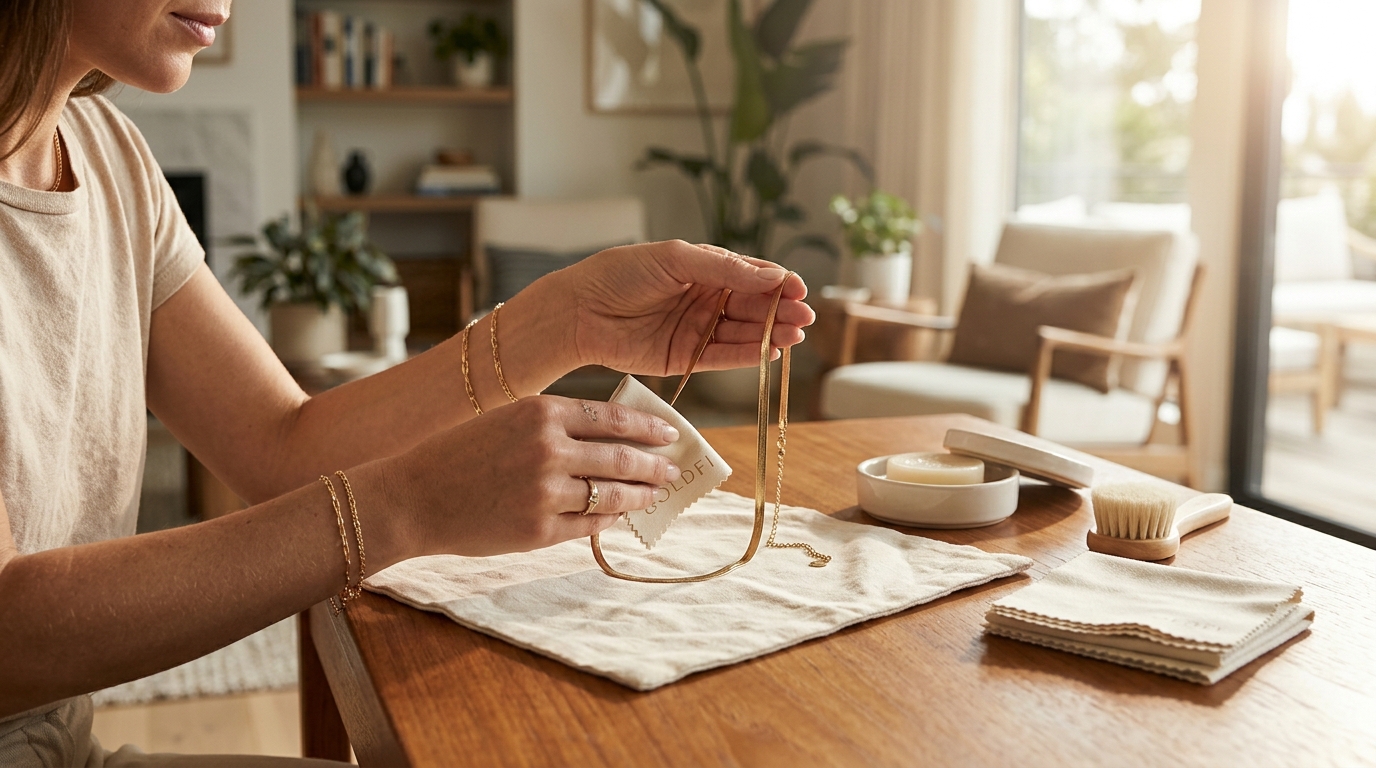
Gold-filled jewelry has surged in popularity as the premier alternative to solid gold, offering exceptional durability and a rich aesthetic at a fraction of the cost. According to recent industry reports, the global gold-filled market is projected to grow significantly through 2026, driven by consumer demand for sustainable and long-lasting accessories. To maintain the luster and integrity of your pieces, understanding the specific care requirements is essential. This guide provides actionable steps to preserve the beauty of your gold-filled items for decades.
Understanding Gold-Filled Composition
Before diving into care routines, it is vital to understand what makes gold-filled jewelry unique. Gold-filled is a layered metal material created by bonding a thick layer of gold to a base metal core, typically brass. Gold-filled is defined as a legitimate jewelry material where the gold layer constitutes at least 5% of the total weight of the item.
This construction method differs significantly from gold plating. Gold plating involves a microscopic layer of gold applied via electrochemical processes, which wears off quickly. In contrast, the substantial gold layer in gold-filled items ensures that the piece retains its color and value over time. For more details on the manufacturing standards, you can refer to the Federal Trade Commission guidelines on precious metal markings.
Because the gold layer is so much thicker than in plated items, gold-filled jewelry is highly resistant to tarnish and corrosion. However, it is not indestructible. Proper care ensures that the surface remains pristine. You can explore our extensive collection of gold-filled necklaces to see the quality firsthand.
Daily Cleaning and Maintenance
Regular cleaning is the cornerstone of gold-filled jewelry care. Dirt, oils, and lotions accumulate on the surface, dulling the shine. A simple weekly cleaning routine can restore brilliance without damaging the metal.
The Warm Water and Mild Soap Method
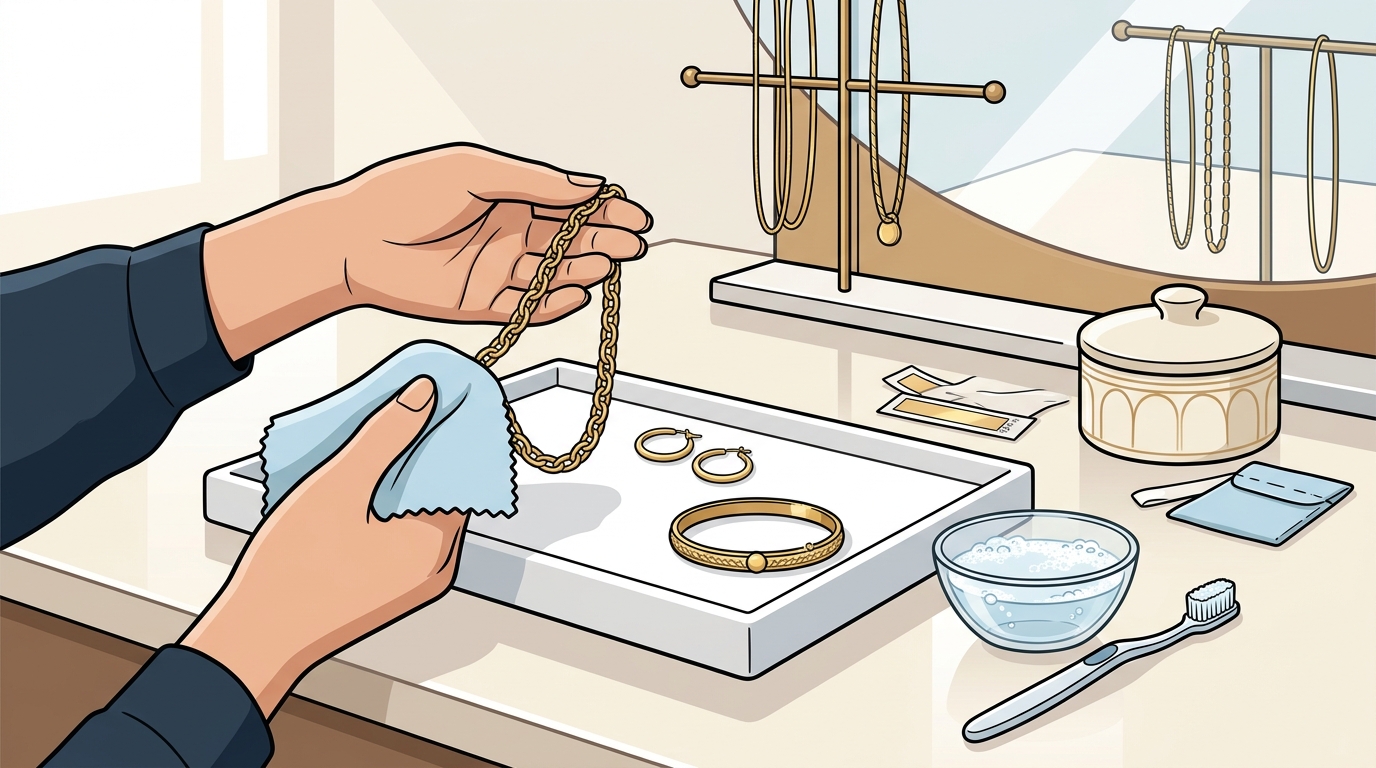
The safest and most effective cleaning method involves warm water and a few drops of mild dish soap. Fill a small bowl with warm water and add the soap. Let your jewelry soak for 15 to 20 minutes. This process loosens dirt trapped in crevices, such as the backs of earrings or the links of chains.
After soaking, gently scrub the item with a soft-bristled toothbrush. Pay attention to detailed areas where grime tends to build up. Rinse thoroughly under lukewarm running water. Ensure the drain is closed or use a strainer to prevent accidental loss. Pat dry with a soft, lint-free cloth. For more cleaning tips, see the Jewelry Making Journal's care guide.
Polishing for Extra Shine
For pieces that have lost their luster, a specialized jewelry polishing cloth is highly recommended. These cloths are impregnated with a gentle polishing agent that removes oxidation without stripping the gold layer. Avoid using paper towels or rough fabrics, as they can cause micro-scratches on the gold surface.
Managing Water and Chemical Exposure
While gold-filled jewelry is more durable than gold-plated alternatives, it is still susceptible to chemical damage. Understanding what to avoid is just as important as knowing what to apply.
Swimming and Showering
Chlorine and saltwater are enemies of gold-filled jewelry. Chlorine, commonly found in swimming pools and hot tubs, can react with the base metal core, causing discoloration or even cracking over time. Saltwater can also accelerate tarnishing. It is best to remove your jewelry before swimming or showering.
According to a study by the Gemological Institute of America, prolonged exposure to harsh chemicals can degrade the bond between the gold layer and the core metal. Always take off your rings, necklaces, and bracelets before engaging in water activities.
Perfumes and Lotions
Apply perfumes, colognes, and lotions before putting on your jewelry. These products contain alcohols and acids that can leave a residue on the gold surface, leading to dullness. Allow these products to dry completely before donning your accessories. This practice is especially important for items with intricate designs, such as gold-filled earrings, where residue can accumulate in small gaps.
Optimal Storage Solutions
Proper storage prevents physical damage and minimizes exposure to air and moisture, which contribute to tarnishing. How you store your jewelry directly impacts its longevity.
Individual Compartments
Store each piece separately to prevent scratching. Gold-filled items can scratch other gold-filled items if they rub together. Use a jewelry box with individual compartments, soft pouches, or anti-tarnish bags. This is particularly crucial for delicate chains and rings.
Anti-Tarnish Strips
Consider placing anti-tarnish strips in your jewelry box or storage container. These strips absorb sulfur and other pollutants from the air, creating a protective environment for your metals. This is a cost-effective way to maintain the shine of your collection, including gold-filled rings, over long periods of non-use.
Control Humidity
Store your jewelry in a cool, dry place. High humidity can accelerate tarnishing. Avoid storing jewelry in bathrooms where steam and moisture levels fluctuate. A bedroom closet or a dedicated jewelry armoire is ideal.
Repair and Long-Term Care
Even with the best care, jewelry may require professional attention over time. Understanding when to seek help ensures your pieces remain wearable and beautiful.
When to Seek Professional Help
If you notice significant discoloration, deep scratches, or loose clasps, consult a professional jeweler. Attempting to repair gold-filled jewelry at home can damage the gold layer. Professionals can polish out minor scratches and tighten settings without compromising the integrity of the piece.
Regular Inspections
Perform a visual inspection of your jewelry every few months. Check for loose stones, worn clasps, or thinning areas. Early detection of issues can prevent loss of stones or breakage. For high-value items, consider annual professional cleaning and inspection.
Key Takeaways
- Gold-filled is durable: It contains a thick layer of gold, making it far more resistant to wear than gold-plated jewelry.
- Clean regularly: Use warm water, mild soap, and a soft brush to remove dirt and oils weekly.
- Avoid chemicals: Remove jewelry before swimming, showering, or applying perfumes and lotions.
- Store properly: Keep pieces separate in a dry, cool place to prevent scratching and tarnishing.
- Use polishing cloths: A dedicated jewelry polishing cloth can restore shine without harsh chemicals.
- Inspect frequently: Check for loose stones or worn clasps to prevent damage or loss.
- Professional care: Seek professional help for deep scratches or significant repairs to preserve the gold layer.
Frequently Asked Questions
Can I wear gold-filled jewelry in the shower?
It is not recommended to wear gold-filled jewelry in the shower. Soap residue and hard water minerals can accumulate on the surface, dulling the shine. Additionally, the physical impact of water pressure can stress clasps and chains over time.
Does gold-filled jewelry tarnish?
Gold-filled jewelry is highly resistant to tarnish due to its thick gold layer. However, it can tarnish if exposed to harsh chemicals, excessive moisture, or sulfur-containing environments for prolonged periods. Proper care minimizes this risk significantly.
How long does gold-filled jewelry last?
With proper care, gold-filled jewelry can last for decades. The durability depends on how often it is worn and how well it is maintained. Regular cleaning and proper storage are key to extending its lifespan.
Can I polish gold-filled jewelry at home?
Yes, you can polish gold-filled jewelry at home using a soft jewelry polishing cloth. Avoid using abrasive materials or harsh chemical polishes, as they can damage the gold layer. Gentle, regular polishing is sufficient to maintain shine.
Is gold-filled jewelry safe for sensitive skin?
Gold-filled jewelry is generally safe for sensitive skin because the gold layer completely covers the base metal core. This barrier prevents direct contact between the skin and any potentially irritating metals. However, individuals with severe metal allergies should still exercise caution.
What is the difference between gold-filled and gold vermeil?
Gold vermeil consists of sterling silver plated with a thick layer of gold, while gold-filled has a brass core. Gold-filled is more durable and resistant to wear because the gold layer is bonded under heat and pressure, making it thicker and more robust than vermeil.
How do I remove gold-filled jewelry that is stuck?
If a ring or bracelet is stuck, do not force it. Apply a small amount of lubricant, such as baby oil or soap, to the area. Gently twist and slide the jewelry off. If it remains stuck, seek help from a professional jeweler to avoid injury or damage to the jewelry.
Shop Gold-Filled Jewelry
Invest in high-quality gold-filled jewelry that combines elegance with durability. Explore our curated collection of gold-filled bracelets, pendants, and rings designed to last. Visit GoldFi.com today to find the perfect pieces for your wardrobe and learn more about our commitment to quality.