

Gold-Filled vs Solid Gold: Evaluating Jewelry Value and Durability
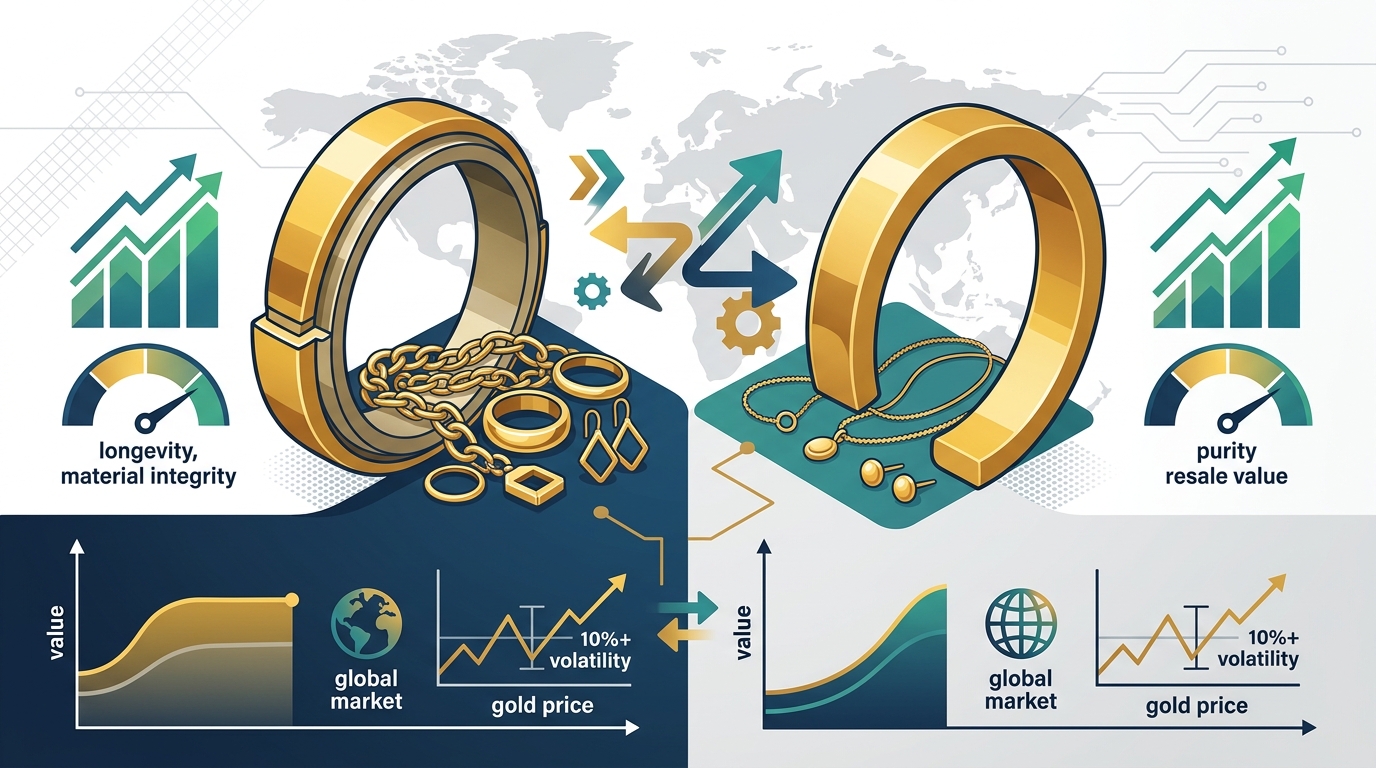
Jewelry investment is rarely just about the sparkle. It is about longevity, material integrity, and the true cost of ownership over time. According to industry data, the global gold market has seen significant volatility, with prices fluctuating by over 10% in recent years, making material choice critical for both consumers and retailers. When evaluating jewelry, the two most common contenders are solid gold and gold-filled pieces. Understanding the structural differences between these materials is the first step in making a smart financial decision. Gold-filled jewelry offers a unique balance of durability and affordability, while solid gold remains the traditional benchmark for pure value retention.
What Is Gold-Filled Jewelry?
Gold-filled jewelry is not merely plated. It is a layered material created by mechanically bonding a thick layer of karat gold to a base metal core, typically brass. The term "gold-filled" is legally regulated in the United States, requiring the gold layer to comprise at least 5% of the total weight of the item. This is a crucial distinction from gold plating, which uses a microscopic layer of gold that wears off quickly.
Gold-filled is a durable, long-lasting alternative to solid gold. Because the gold layer is so substantial, it cannot be easily worn away through normal use. You can find high-quality gold-filled options at GoldFi, which specializes in premium materials that mimic the look and feel of solid gold without the prohibitive price tag. The base metal core provides structural strength, while the outer layer provides the aesthetic appeal and tarnish resistance associated with precious metals.
Understanding Solid Gold Standards
Solid gold jewelry is made from an alloy of pure gold mixed with other metals like copper, silver, or zinc to increase hardness. Pure gold is too soft for everyday wear, so it is always alloyed. The purity is measured in karats, with 14k and 18k being the most common standards for jewelry. 14k gold contains 58.3% pure gold, while 18k contains 75% pure gold.
When evaluating solid gold, you are paying for the intrinsic value of the metal itself. According to market reports, the price of gold is directly tied to global commodity markets, meaning the value of your jewelry can fluctuate. However, solid gold does not tarnish or fade. It is a permanent asset. For those interested in the highest purity standards, exploring 14k solid gold necklaces provides insight into the craftsmanship required for these dense, heavy pieces. The weight and density of solid gold are immediately noticeable, offering a substantial feel that lighter materials cannot replicate.
Durability and Wear Resistance
Durability is often the deciding factor for consumers evaluating jewelry for daily wear. Gold-filled jewelry is remarkably resistant to tarnish and corrosion. Because the gold layer is thick, it can withstand years of exposure to water, sweat, and cosmetics without showing signs of wear. Many users report that gold-filled jewelry lasts for decades with minimal maintenance.
Solid gold is also highly durable but has different properties. It is softer than gold-filled jewelry in some contexts because the alloy mix can vary. 10k gold is harder than 14k gold due to a higher percentage of base metals. However, solid gold can be scratched more easily than gold-filled items because the entire piece is made of the same material. If you scratch a gold-filled piece, you are scratching the gold layer, which is thick enough to remain intact. If you scratch solid gold, you are removing material from the piece itself. For a deeper look at how different metals hold up, you can review sterling silver earrings to understand the spectrum of metal durability in jewelry making.
Cost Analysis and Value Proposition
The cost difference between gold-filled and solid gold is significant. Gold-filled jewelry typically costs a fraction of the price of solid gold because the base metal core reduces the amount of gold required. This makes it an accessible entry point for consumers who want the look of gold without the investment cost. According to financial analyses of luxury goods, gold-filled items retain their aesthetic value far better than plated items, though they do not hold monetary value like solid gold.
When evaluating value, consider the intended use. For statement pieces or trendy items that may go out of style, gold-filled is the smarter financial choice. For heirloom pieces meant to be passed down, solid gold is the traditional choice. The GoldFi catalog offers a wide range of gold-filled options that provide exceptional value for money. By choosing gold-filled, you can acquire more pieces for the same price as one solid gold item, allowing for greater versatility in your jewelry collection.
Maintenance and Longevity
Maintaining gold-filled jewelry is straightforward. It can be cleaned with mild soap and water and a soft cloth. Unlike gold plating, gold-filled jewelry does not require special care to prevent the gold from wearing off. It is also safe to wear in the shower and pool, though prolonged exposure to chlorine can eventually dull the surface. Regular polishing will keep the shine bright.
Solid gold requires less maintenance in terms of color retention but needs care to prevent scratches. It should be stored separately to avoid abrasion from other jewelry. Both materials are hypoallergenic if the base metal in gold-filled is nickel-free, which is a standard for quality suppliers. For those with sensitive skin, checking the adjustable rings collection can help identify pieces that are safe for daily wear. Understanding the care requirements of each material helps in evaluating which fits your lifestyle best.
Detailed Comparison Table
| Feature | Gold-Filled | Solid Gold |
|---|---|---|
| Gold Content | 5% of total weight | 58.3% (14k) to 75% (18k) |
| Base Metal | Brass core | None (Alloyed gold only) |
| Tarnish Resistance | High | Very High |
| Cost | Affordable | Premium |
| Resale Value | Low | High (Based on gold weight) |
| Longevity | Decades with care | Lifetime |
Key Takeaways
- Gold-filled jewelry contains at least 5% gold by weight, bonded to a brass core.
- Solid gold is an alloy of pure gold and base metals, measured in karats.
- Gold-filled is significantly more affordable than solid gold.
- Both materials are durable and suitable for everyday wear.
- Gold-filled does not tarnish, while solid gold is resistant to corrosion.
- Solid gold holds intrinsic monetary value based on gold prices.
- Gold-filled offers a cost-effective way to own high-quality gold jewelry.
Frequently Asked Questions
Is gold-filled jewelry safe for sensitive skin?
Yes, most quality gold-filled jewelry, including options from GoldFi, is nickel-free and safe for sensitive skin. The thick gold layer prevents the base metal from touching the skin.
Can gold-filled jewelry turn green?
No, gold-filled jewelry will not turn your skin green. The gold layer is thick enough to prevent the base metal from reacting with your skin or the environment.
How does the price of gold affect solid gold jewelry?
The price of solid gold jewelry fluctuates with the global gold market. When gold prices rise, the value of solid gold jewelry increases accordingly.
Is gold-filled jewelry as durable as solid gold?
Gold-filled jewelry is highly durable and often more resistant to daily wear and tear than solid gold because of its layered structure. It is a practical choice for active lifestyles.
Can I wear gold-filled jewelry in the shower?
Yes, you can wear gold-filled jewelry in the shower. It is water-resistant and will not lose its color or finish from brief exposure to water.
What is the difference between gold-filled and gold plating?
Gold-filled has a much thicker layer of gold (5% of weight) compared to gold plating, which is a microscopic layer. Gold-filled lasts much longer and cannot be worn away easily.
Does gold-filled jewelry have resale value?
Gold-filled jewelry has little to no resale value because the gold content is too low to be melted down for profit. It is valued for its aesthetic and functional qualities.
Shop Premium Gold-Filled Jewelry
Evaluating your jewelry options comes down to balancing budget, durability, and style. Gold-filled jewelry offers a compelling alternative to solid gold, providing the look and feel of precious metal at a fraction of the cost. Whether you are looking for everyday essentials or statement pieces, the right material can make all the difference. Explore the extensive collection at GoldFi to find the perfect gold-filled jewelry that suits your needs and lifestyle. Visit our shopping cart to start building your collection today.