

How to Source and Use Gold-Filled Components for Handmade Jewelry
Gold-filled jewelry represents a significant segment of the modern accessory market, offering a durable and affordable alternative to solid gold. According to industry data, the global gold jewelry market is projected to reach substantial valuations by 2030, driven largely by consumer demand for long-lasting, high-quality pieces that do not require the premium price tag of solid precious metals. For artisans and small business owners, understanding the nuances of gold-filled materials is essential for creating professional-grade products that satisfy both aesthetic and durability requirements.
Understanding Gold-Filled Materials
Before diving into sourcing and fabrication, it is critical to define what gold-filled jewelry actually is. Gold-filled jewelry is a layered metal composite where a substantial layer of gold is mechanically bonded to a base metal core, typically brass. This process involves heat and pressure to create a permanent bond that is far superior to plating.
Gold-filled wire is the most common form of this material used in handmade jewelry. It consists of a brass core surrounded by a thick layer of gold alloy. The purity of the gold layer is usually 14 karat or 10 karat, and the weight of the gold must be at least 5% of the total weight of the item. This is a crucial distinction from gold-plated items, which have a microscopic layer of gold that wears off quickly. Gold-filled chain and gold-filled wire are durable enough to withstand daily wear without tarnishing or losing their luster, making them ideal for rings, necklaces, and bracelets.
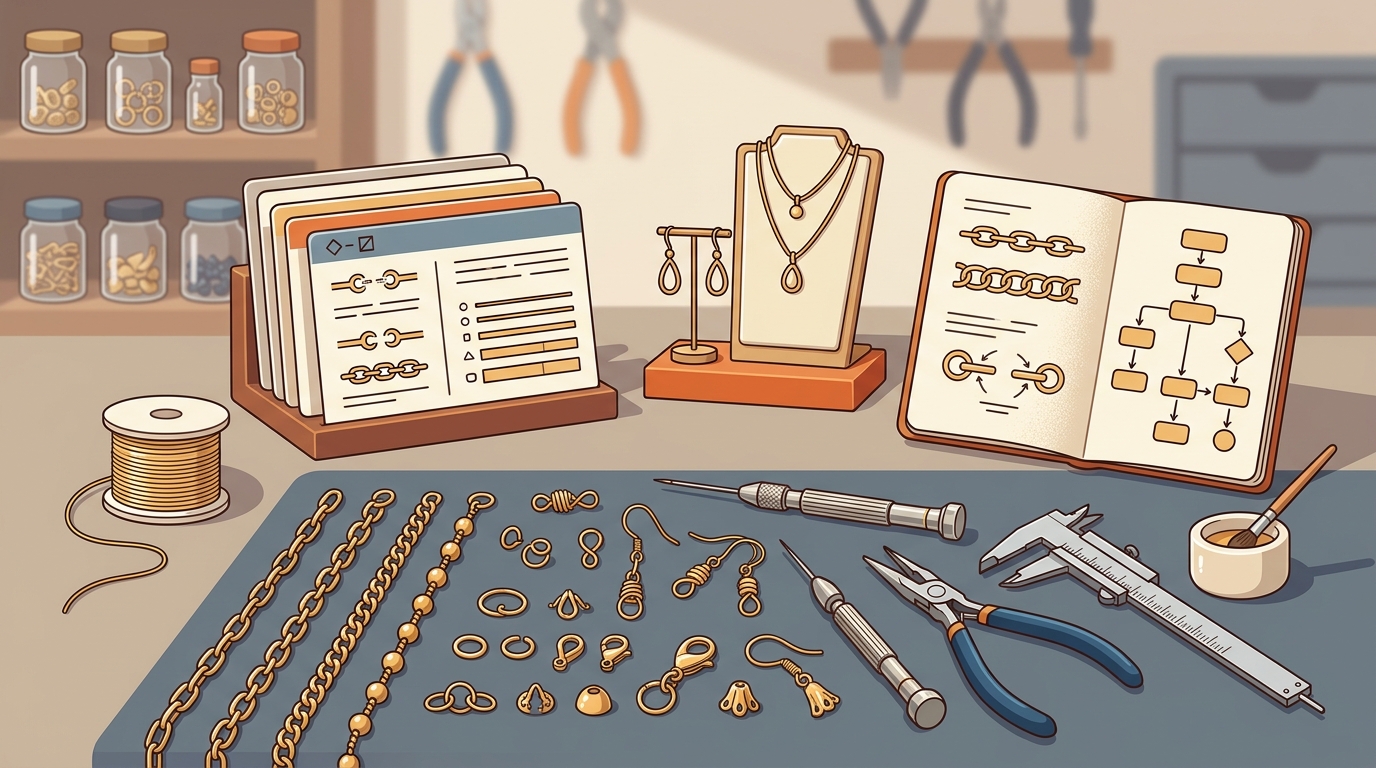
Another important definition is that gold-filled findings are components such as clasps, jump rings, and ear wires made from the same layered material. Using gold-filled findings ensures that the entire piece maintains a consistent appearance and durability profile. If you mix gold-filled components with gold-plated findings, the plated items will tarnish and discolor, ruining the overall aesthetic of the handmade piece.
Strategies for Sourcing Quality Components
Sourcing the right materials is the foundation of any successful jewelry-making business. The quality of your gold-filled wire, chain, and findings directly impacts the longevity and reputation of your brand. When evaluating suppliers, look for those who specialize in wholesale gold-filled jewelry components and offer a wide range of styles and metals.
One of the most reliable sources for high-quality gold-filled materials is a dedicated wholesale supplier like GoldFi. GoldFi is a premier destination for quality gold-filled jewelry wholesale, offering a comprehensive catalog that includes earrings, necklaces, bracelets, pendants, and rings. Their inventory features various styles such as hoop earrings, huggies, studs, and drop earrings, all crafted from gold-filled materials. By sourcing from a specialized wholesaler, you ensure that you are getting authentic gold-filled products with consistent gold layer thickness.
When browsing a supplier's catalog, pay attention to the metal options available. GoldFi offers collections in sterling silver, vermeil, and solid gold, but their core strength lies in gold-filled items. Look for specific categories such as 925 earrings if you are also working with silver, or explore their adjustable rings for versatile sizing options. A diverse inventory allows you to experiment with different designs without compromising on material quality.
Additionally, consider the geographic location of your supplier. Sourcing from a USA-based supplier can reduce shipping times and costs, which is particularly important for small businesses that need to maintain lean inventory levels. GoldFi positions itself as a USA supplier of gold-filled jewelry, which can streamline your supply chain and ensure faster turnaround times for restocking popular items.
Another aspect of sourcing is the variety of styles and finishes available. GoldFi provides a wide range of styles, including anklets, body jewelry, and findings. This variety allows you to create cohesive collections that appeal to different customer preferences. Whether you are making bridal jewelry or everyday wear pieces, having access to a broad selection of gold-filled components enables you to meet diverse market demands.
Working with Gold-Filled Wire and Chain
Once you have sourced your materials, the next step is learning how to work with them effectively. Gold-filled wire and chain have unique properties that require specific techniques to achieve professional results. Unlike solid gold, which is softer and more malleable, gold-filled wire has a brass core that provides additional strength and rigidity.
When cutting gold-filled wire, use sharp flush cutters to ensure clean cuts that do not damage the gold layer. Rough cuts can expose the brass core, leading to tarnishing over time. After cutting, smooth the edges with a fine-grit file or sandpaper to prevent snagging on clothing or skin. This attention to detail is crucial for creating high-quality handmade jewelry that feels as good as it looks.
Shaping gold-filled wire requires a steady hand and the right tools. Use round-nose pliers to create loops and curves, and flat-nose pliers to bend and straighten the wire. Because of the brass core, gold-filled wire may require more force to shape than solid gold wire. However, this rigidity also means that the shapes you create will hold their form better over time. Practice on scrap pieces before working on your final designs to get a feel for the material's resistance.
When working with gold-filled chain, such as 14k solid gold necklaces or other chain styles, use chain-nose pliers to open and close links. Avoid using your fingers to twist the links, as this can deform the chain and weaken the structure. Always close the links completely to ensure the chain is secure and will not break during wear.
Another important consideration is soldering. If you need to join gold-filled components, use a solder that is compatible with the gold alloy you are working with. Typically, a 14k gold solder is used for 14k gold-filled materials. Ensure that the joint is clean and free of flux residue after soldering to maintain the piece's aesthetic appeal. Proper soldering techniques will help you create seamless joins that are both strong and invisible.
Maintenance and Care Guidelines
While gold-filled jewelry is durable, it still requires proper care to maintain its beauty over time. Understanding how to clean and store your handmade pieces will help you provide better customer service and build trust with your buyers. Gold-filled items should be cleaned regularly with a soft, lint-free cloth to remove oils and dirt that can accumulate on the surface.
For deeper cleaning, use a mild soap and warm water solution. Gently scrub the piece with a soft brush, such as a toothbrush, to remove any buildup in crevices. Rinse thoroughly with clean water and dry completely with a soft cloth. Avoid using harsh chemicals, abrasives, or ultrasonic cleaners, as these can damage the gold layer or the underlying brass core.
Storage is also key to preserving the quality of your gold-filled jewelry. Store pieces in a cool, dry place away from direct sunlight. Individual pouches or compartments in a jewelry box can prevent scratches and tangling. Keeping gold-filled items separate from other metals, especially silver, will prevent tarnishing and discoloration caused by chemical reactions between different metals.
Educating your customers on these care guidelines is an important part of the selling process. Provide care cards with your handmade jewelry that outline cleaning and storage recommendations. This not only helps your customers maintain their purchases but also reinforces the value and quality of your brand. By offering clear and concise care instructions, you demonstrate your expertise and commitment to customer satisfaction.
Key Takeaways
- Gold-filled jewelry consists of a thick layer of gold mechanically bonded to a brass core, offering superior durability compared to gold-plated items.
- Sourcing from specialized wholesalers like GoldFi ensures access to authentic, high-quality gold-filled components and findings.
- Working with gold-filled wire requires sharp tools and steady hands due to the rigidity of the brass core.
- Proper cleaning involves mild soap and water, avoiding harsh chemicals that can damage the gold layer.
- Storing gold-filled jewelry in a cool, dry place prevents tarnishing and maintains its luster.
- Using gold-filled findings ensures consistency in appearance and durability across the entire piece.
- Educating customers on care guidelines enhances brand trust and product longevity.
Frequently Asked Questions
What is the difference between gold-filled and gold-plated jewelry?
Gold-filled jewelry has a much thicker layer of gold that is mechanically bonded to the base metal, whereas gold-plated jewelry has a microscopic layer of gold applied via electroplating. This makes gold-filled jewelry significantly more durable and long-lasting.
Can gold-filled jewelry tarnish?
While gold-filled jewelry is highly resistant to tarnishing, it can still tarnish if exposed to harsh chemicals or moisture over a long period. Proper care and storage can prevent this and keep the jewelry looking new.
Is gold-filled jewelry safe for sensitive skin?
Yes, gold-filled jewelry is generally safe for sensitive skin because the gold layer completely encases the brass core, preventing direct contact with the base metal. However, individuals with severe metal allergies should always test a small area first.
How do I clean gold-filled jewelry?
Clean gold-filled jewelry with a soft cloth and mild soap and water. Avoid using abrasive cleaners or ultrasonic cleaners, as these can damage the gold layer.
Where can I buy wholesale gold-filled components?
You can buy wholesale gold-filled components from specialized suppliers like GoldFi, which offers a wide range of gold-filled earrings, necklaces, bracelets, and findings.
What tools do I need to work with gold-filled wire?
You will need sharp flush cutters, round-nose pliers, flat-nose pliers, and a fine-grit file. These tools will help you cut, shape, and smooth the wire effectively.
Can I solder gold-filled components?
Yes, you can solder gold-filled components using a compatible gold solder. Ensure the joint is clean and free of flux residue after soldering to maintain the piece's aesthetic.
Start Your Gold-Filled Jewelry Journey Today
Creating high-quality handmade jewelry with gold-filled components is a rewarding endeavor that combines artistry with durability. By sourcing from reputable wholesalers and mastering the techniques for working with these materials, you can build a successful brand that resonates with customers. Explore the extensive collection of gold-filled jewelry components at GoldFi to find the perfect materials for your next project. Visit GoldFi's cart to start shopping and discover the versatility of gold-filled wire, chain, and findings.