

Gold-filled jewelry has rapidly evolved from a niche alternative to a dominant force in the modern accessory market. According to recent industry analysis, the global demand for durable, affordable luxury materials has surged, with gold-filled pieces capturing a significant share of the wholesale and retail sectors. This growth is driven by consumers seeking the authentic look of solid gold without the prohibitive cost or the rapid tarnishing associated with gold-plated items. Understanding the technical specifications and quality markers of these pieces is essential for making informed purchasing decisions in 2026. (Products ndash GoldFi)
What is Gold-Filled Jewelry?
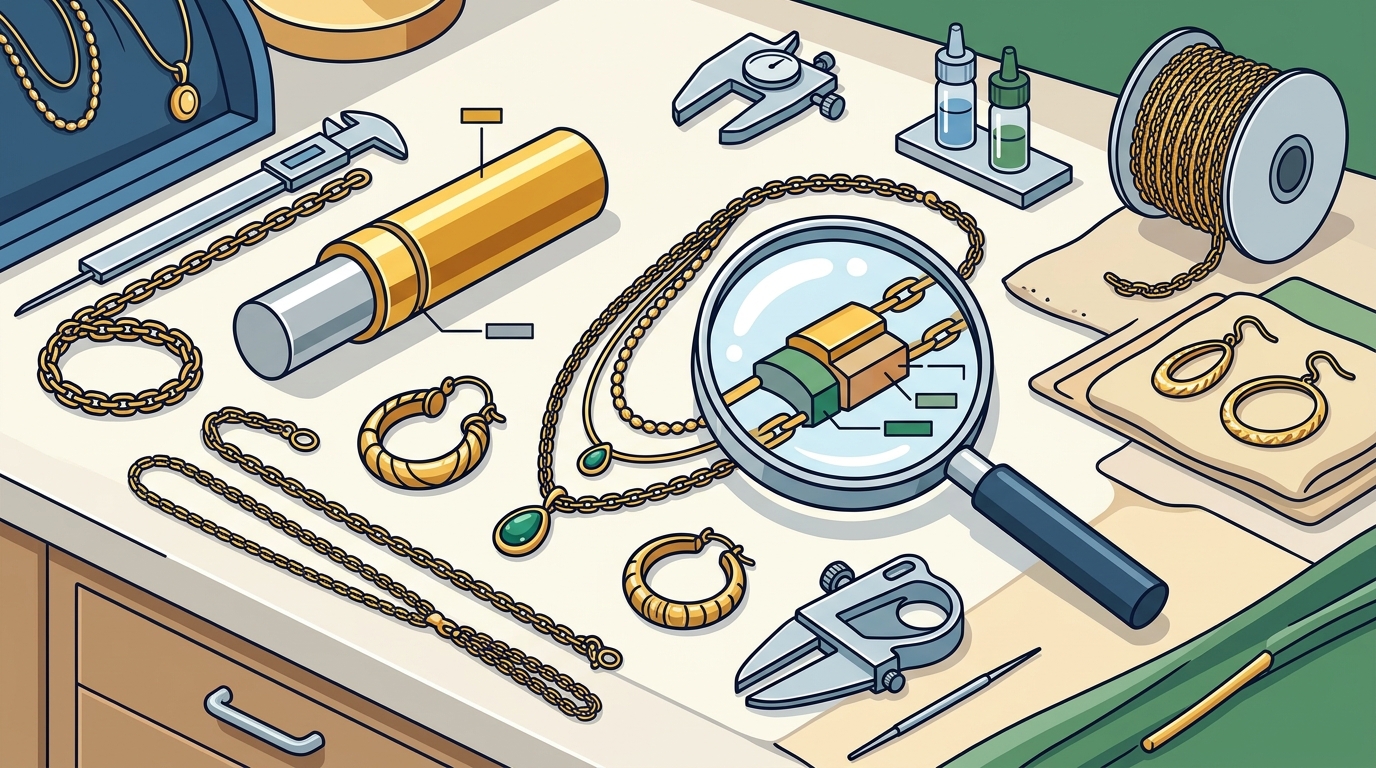
Gold-filled jewelry is a specific type of layered metal product created by mechanically bonding a thick layer of karat gold to a base metal core, typically brass. Gold-filled is not a plating process. It is a manufacturing method that results in a permanent bond. The term "gold-filled" is legally regulated in many jurisdictions, including the United States, to ensure consumer protection. Gold-filled is a durable, long-lasting alternative to solid gold that offers exceptional value for everyday wear.
The process involves using heat and pressure to fuse the gold layer to the base metal. This results in a piece that is significantly more durable than gold-plated jewelry. Because the gold layer is so much thicker, it does not flake or wear off easily. This makes it an ideal choice for individuals with sensitive skin or those who lead active lifestyles. The material retains the natural luster and color of solid gold, providing a premium aesthetic at a fraction of the price.
For those exploring wholesale options, suppliers like GoldFi provide extensive catalogs of gold-filled findings and finished pieces. These suppliers ensure that every item meets strict industry standards for gold content and durability. By choosing gold-filled, consumers invest in jewelry that maintains its beauty over decades, not just months.
Gold-Filled vs. Gold-Plated: The Critical Difference
Confusion between gold-filled and gold-plated jewelry is common among shoppers. The primary distinction lies in the thickness of the gold layer and the method of application. Gold-plated jewelry involves dipping a base metal into a gold solution, resulting in a microscopic layer of gold. This layer is often less than a micron thick. In contrast, gold-filled jewelry has a gold layer that is at least 100 times thicker than that of standard gold plating.
The durability gap between these two materials is substantial. Gold-plated items can begin to tarnish or wear through to the base metal within weeks or months of regular wear. This is especially true for items like rings and bracelets that experience frequent friction. Gold-filled jewelry, however, is designed to withstand years of daily use. It can be polished and maintained just like solid gold, extending its lifespan significantly.
Another critical factor is the risk of allergic reactions. Base metals in gold-plated jewelry, such as nickel or copper, can come into contact with the skin once the thin gold layer wears off. This often causes irritation or discoloration. Gold-filled jewelry acts as a barrier, keeping the base metal securely sealed beneath the gold layer. This makes it a safer option for individuals with metal sensitivities. For more information on material safety, you can refer to resources from the Federal Trade Commission regarding jewelry labeling.
Understanding Quality Standards and Tonnage
Not all gold-filled jewelry is created equal. The quality is determined by the "tonnage," which refers to the weight of the gold layer relative to the total weight of the item. In the United States, the standard for gold-filled is 1/20th of the total weight. This means that 5% of the item's weight must be pure gold. This high ratio ensures that the piece is substantial and long-lasting.
When shopping, look for stamps such as "1/20 14K GF" or "1/20 10K GF." These stamps indicate that the piece meets the legal standard for gold-filled content. Items labeled simply as "gold tone" or "gold color" do not contain any actual gold and are likely to be plated or made of base metals. Understanding these markings is crucial for avoiding low-quality products.
Higher tonnage options also exist, such as 1/10th gold-filled, which offers an even thicker gold layer and greater durability. These premium pieces are often found in high-end wholesale collections. For detailed technical specifications on metal alloys, the National Museum of Australia provides excellent educational resources on precious metals.
Best Categories for Gold-Filled Pieces
Certain jewelry categories benefit most from the gold-filled construction. Items that experience high friction or constant exposure to moisture are ideal candidates for this material. Below is a comparison of the best categories for gold-filled jewelry.
| Jewelry Category | Why Gold-Filled is Ideal | Popular Styles |
|---|---|---|
| Earrings | Prevents nickel allergy reactions and tarnishing from earwax. | Hoops, studs, huggies |
| Necklaces | Resists breaking and maintains luster against skin oils. | Chains, pendants, chokers |
| Rings | Withstands daily impact and friction better than plating. | Stackable, statement, adjustable |
| Bracelets | Prevents green skin discoloration from base metals. | Bangles, tennis, chain |
Earrings are perhaps the most popular category for gold-filled jewelry. Because they are in direct contact with sensitive earlobes, the hypoallergenic properties of gold-filled are highly valued. Hoops and studs made from gold-filled materials stay bright and shiny, even with frequent wear. For a wide selection of these items, retailers like GoldFi offer extensive collections tailored to different tastes.
Necklaces also benefit greatly from this material. Chains and pendants are subject to constant movement and contact with skin oils. Gold-filled chains resist tarnishing and maintain their shine for years. This makes them a practical choice for everyday elegance. The Jewelry News Network frequently highlights the growing trend of gold-filled necklaces in mainstream fashion.
Durability and Long-Term Care
One of the most significant advantages of gold-filled jewelry is its durability. It is resistant to tarnish, corrosion, and wear. However, proper care can extend its lifespan even further. Avoid exposing gold-filled pieces to harsh chemicals, such as chlorine, bleach, or strong perfumes. These substances can degrade the gold layer over time.
Cleaning gold-filled jewelry is simple. Use a soft cloth to polish the pieces after wear. For deeper cleaning, a mild soap and water solution works effectively. Avoid using abrasive cleaners or ultrasonic cleaners, as these can damage the surface. Proper storage in a dry, airtight container also helps prevent oxidation.
Many consumers report that their gold-filled jewelry looks as good after ten years as it did on the day of purchase. This longevity makes it a cost-effective investment. Compared to solid gold, which requires significant financial outlay, gold-filled offers a similar aesthetic with much lower maintenance costs. For tips on jewelry maintenance, the Smithsonian Magazine offers expert advice on preserving precious metals.
Key Takeaways
- Gold-filled jewelry contains a thick, mechanically bonded layer of gold, typically 1/20th of the total weight.
- It is significantly more durable and longer-lasting than gold-plated jewelry.
- The material is hypoallergenic, making it safe for sensitive skin.
- Earrings, necklaces, and rings are the best categories for gold-filled construction.
- Proper care involves avoiding harsh chemicals and regular gentle polishing.
- Gold-filled offers a high-end look at a fraction of the cost of solid gold.
- Look for legal stamps like "1/20 14K GF" to ensure quality.
Frequently Asked Questions
Is gold-filled jewelry real gold?
Yes, gold-filled jewelry contains real gold. It is legally required to have a specific weight of gold bonded to a base metal core. It is not fake or costume jewelry.
Can gold-filled jewelry turn your skin green?
No, gold-filled jewelry should not turn your skin green. The thick gold layer prevents the base metal from coming into contact with your skin, unlike gold-plated items.
How long does gold-filled jewelry last?
With proper care, gold-filled jewelry can last for decades. It is designed for everyday wear and is much more durable than gold plating.
Is gold-filled jewelry waterproof?
Gold-filled jewelry is water-resistant and can be worn in the shower. However, it is best to remove it before swimming in chlorinated pools or saltwater to maintain its luster.
What is the difference between 10K and 14K gold-filled?
The difference lies in the karat of the gold used. 14K gold-filled has a higher gold content and a richer color than 10K gold-filled, but both are durable and high-quality.
Where can I buy wholesale gold-filled jewelry?
You can purchase wholesale gold-filled jewelry from specialized suppliers like GoldFi, which offer a wide range of earrings, necklaces, and findings.
Does gold-filled jewelry tarnish?
Gold-filled jewelry is highly resistant to tarnish. While it can eventually tarnish if exposed to harsh conditions, it is much slower to do so than gold-plated items.
Shop Premium Gold-Filled Jewelry
Discover the perfect blend of durability and elegance with GoldFi's extensive collection of gold-filled jewelry. From classic hoops to modern pendants, our wholesale and retail offerings are designed to meet the highest standards of quality. Explore our catalog today and experience the lasting beauty of gold-filled pieces. Visit GoldFi.com to start shopping.